How Vets Test Dog Kidney Function
Founder & Veterinary Clinical Advisor at Pets Health Tips · DVM (Doctor of Veterinary Medicine), Member of the American Veterinary Medical Association (AVMA) · 14+ years in companion animal clinical triage, preventative nutrition, and geriatric pet therapy
Kidney disease is silent until it’s severe, which is why knowing how vets test dog kidney function can save your dog’s life. Early detection means earlier intervention, and that can add years of quality time. The International Renal Interest Society (IRIS) reports that 1 in 10 dogs will develop kidney disease, often with no obvious signs until 75% of function is lost.
The gold standard starts with bloodwork and urinalysis, but newer markers like SDMA catch problems months sooner. Here’s exactly how the process works and what every dog owner should understand.
how vets test dog kidney function
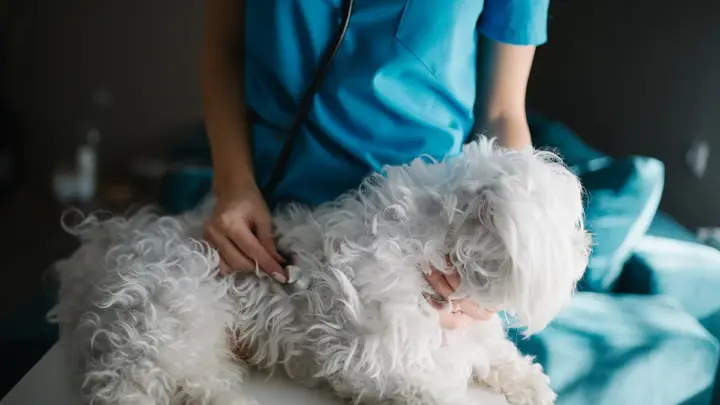
Vets test dog kidney function with blood tests and urinalysis. Bloodwork checks BUN, creatinine, and SDMA levels. Urinalysis measures concentration, protein, and abnormalities.
Imaging like ultrasound may follow if results are abnormal.
Why Kidney Testing in Dogs Is Non-Negotiable
Kidneys filter waste, balance electrolytes, and regulate blood pressure. When they fail, toxins build up, leading to nausea, lethargy, and even death. Unlike humans, dogs can’t compensate as long, so early detection is critical.
Chronic kidney disease (CKD) is irreversible, but management slows progression. Acute kidney injury (AKI) can sometimes be reversed if caught quickly. Without testing, you won’t know until it’s too late.
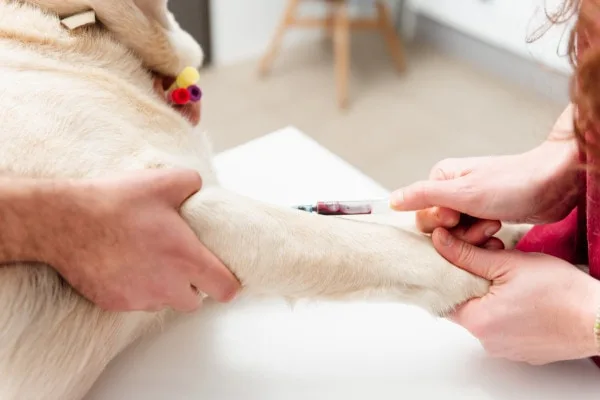
Image source: Bing (Web (fair-use with source credit))
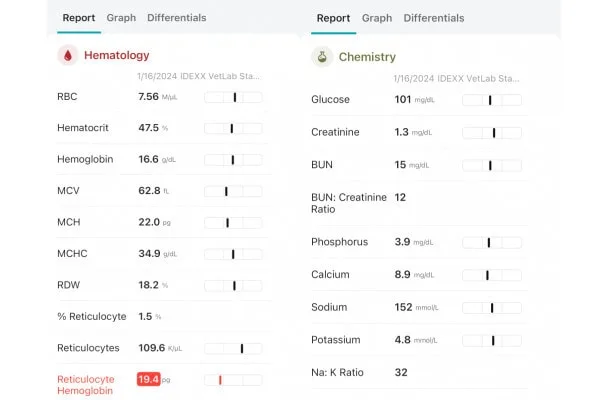
Image source: Bing (Web (fair-use with source credit))
The Core Tests Vets Use to Check Kidney Function
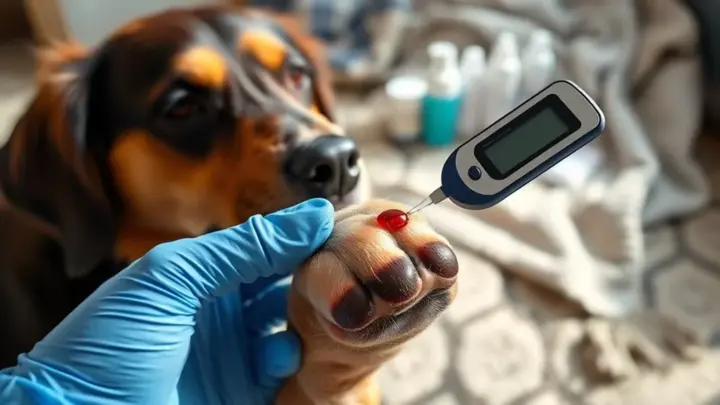
The foundation is a serum chemistry panel, which includes BUN and creatinine. These two values are the first red flags for kidney trouble. SDMA is a newer biomarker that detects CKD up to 18 months earlier than creatinine alone.
Urinalysis is the second pillar. It checks urine concentration, pH, and the presence of protein, blood, or abnormal cells. Together, blood and urine tests give a fuller picture than either alone.
Imaging like ultrasound or X-rays may follow if initial tests are abnormal. These help assess kidney size, shape, and structural issues. A biopsy is rare but used when other tests are inconclusive.
How Each Test Works and What It Reveals
BUN (Blood Urea Nitrogen) measures waste product levels in the blood. High BUN can indicate kidney dysfunction, but it’s also affected by diet and dehydration. Creatinine is a more reliable marker, as it’s produced at a steady rate by muscle metabolism.
SDMA (Symmetric Dimethylarginine) is a game-changer. It’s filtered exclusively by the kidneys, so rising levels signal reduced function early. Per IRIS guidelines, SDMA above 14 µg/dL warrants further investigation.
Urinalysis starts with a dipstick test for pH, protein, glucose, and ketones. A microscopic exam follows, looking for casts, crystals, bacteria, or abnormal cells. Low urine specific gravity (below 1.015) suggests the kidneys aren’t concentrating urine properly.
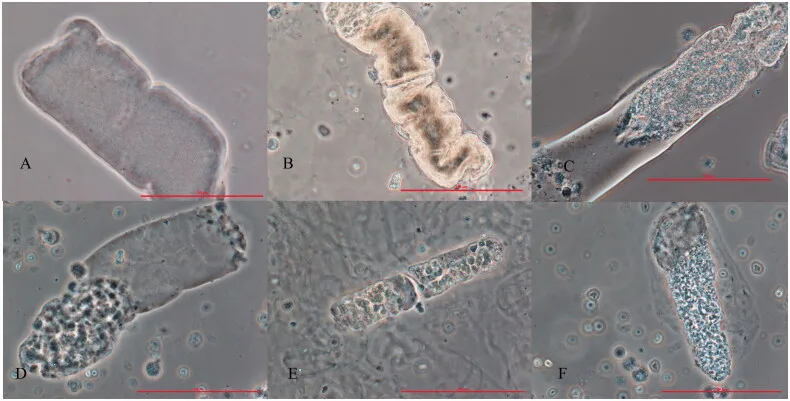
Image source: Bing (Web (fair-use with source credit))
When Your Dog Needs Kidney Testing (And When to Skip It)
Senior dogs (7+ years) should have annual kidney panels. Breeds prone to kidney issues, like Shih Tzus or Bull Terriers, may need earlier or more frequent testing. Dogs on long-term medications (e.g., NSAIDs) also require regular monitoring.
Pre-surgical bloodwork always includes kidney function tests. Anesthesia is processed by the kidneys, so vets need to know they’re functioning well. If your dog shows signs like increased thirst, vomiting, or weight loss, testing is urgent.
You can skip testing only if your dog is young, healthy, and has no risk factors. Even then, baseline tests at 1, 2 years old are wise. As of 2026, the American Veterinary Medical Association (AVMA) recommends at least one kidney panel in adulthood for all dogs.
What the Results Actually Mean: Normal vs. Red Flags
Normal BUN ranges from 7 to 27 mg/dL in dogs. Creatinine should stay between 0.5 and 1.8 mg/dL. SDMA under 14 µg/dL is ideal, but values between 14 and 18 µg/dL may signal early kidney dysfunction.
High BUN with normal creatinine can mean dehydration or a high-protein diet. Elevated creatinine is a stronger indicator of kidney issues. Low urine specific gravity (below 1.015) suggests the kidneys aren’t concentrating urine properly.
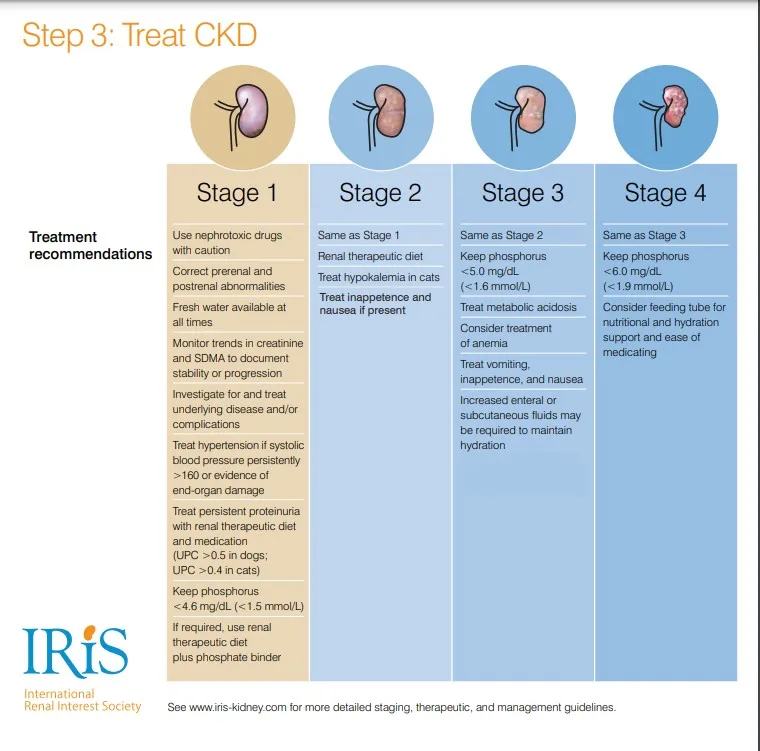
Image source: Bing (Web (fair-use with source credit))
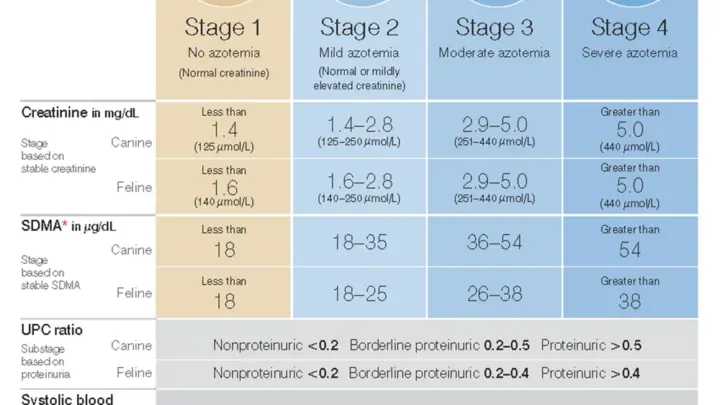
IRIS staging uses creatinine and SDMA to classify CKD severity. Stage 1 may show no symptoms, while Stage 4 indicates severe disease. Protein in urine (proteinuria) is another red flag, often requiring dietary changes.
Costs, Frequency, and What to Expect at the Vet
A basic kidney panel costs $50 to $150. Adding urinalysis and SDMA testing typically brings the total to $100 to $300. Ultrasound or X-rays add $200 to $500 if needed.
Senior dogs should be tested annually. Dogs with early CKD may need checks every 3 to 6 months. Pre-surgical testing is standard before any anesthesia.
The process is quick. Blood draws take minutes, and urinalysis results are often ready the same day. Some clinics offer in-house labs for faster turnaround.

Similar Posts