Causes of Elevated Liver Enzymes in Dogs
Founder & Veterinary Clinical Advisor at Pets Health Tips · DVM (Doctor of Veterinary Medicine), Member of the American Veterinary Medical Association (AVMA) · 14+ years in companion animal clinical triage, preventative nutrition, and geriatric pet therapy
Elevated liver enzymes in your dog’s bloodwork can be alarming, but they’re not a diagnosis, they’re a red flag. Knowing what causes elevated liver enzymes in dogs helps you understand whether it’s a minor blip or a sign of serious trouble.
Normal liver enzyme levels in dogs vary by lab, but ALT above 100 U/L or ALP over 150 U/L often prompts a closer look. The next step is figuring out why those numbers are high.
what causes elevated liver enzymes in dogs
Liver inflammation is the top cause. Toxins like mushrooms or xylitol can spike enzymes fast. Infections such as leptospirosis trigger elevations too.
Metabolic issues like diabetes or Cushing’s disease also raise levels. Some breeds have genetic liver conditions that show up in bloodwork.
The 4 Main Causes (and How to Tell Them Apart)
Liver disease in dogs often starts with inflammation. Hepatitis, whether infectious or immune-mediated, sends ALT and AST soaring. These enzymes leak from damaged liver cells into the bloodstream.
Toxins are another major culprit. Common offenders include human medications like acetaminophen, certain plants, and moldy food. Even long-term use of NSAIDs can stress the liver.
The pattern here is a sudden, sharp rise in enzymes.
Infections can also elevate liver enzymes. Leptospirosis, a bacterial infection, often targets the liver. Parasites like heartworm or liver flukes may contribute too.
These cases usually come with other symptoms like fever or lethargy.
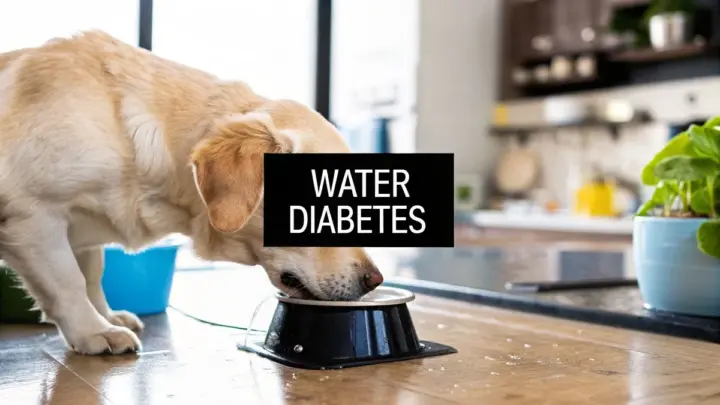
Metabolic disorders round out the list. Conditions like diabetes, hyperadrenocorticism (Cushing’s), or hypothyroidism can cause enzyme elevations. These are often slower, more gradual increases.
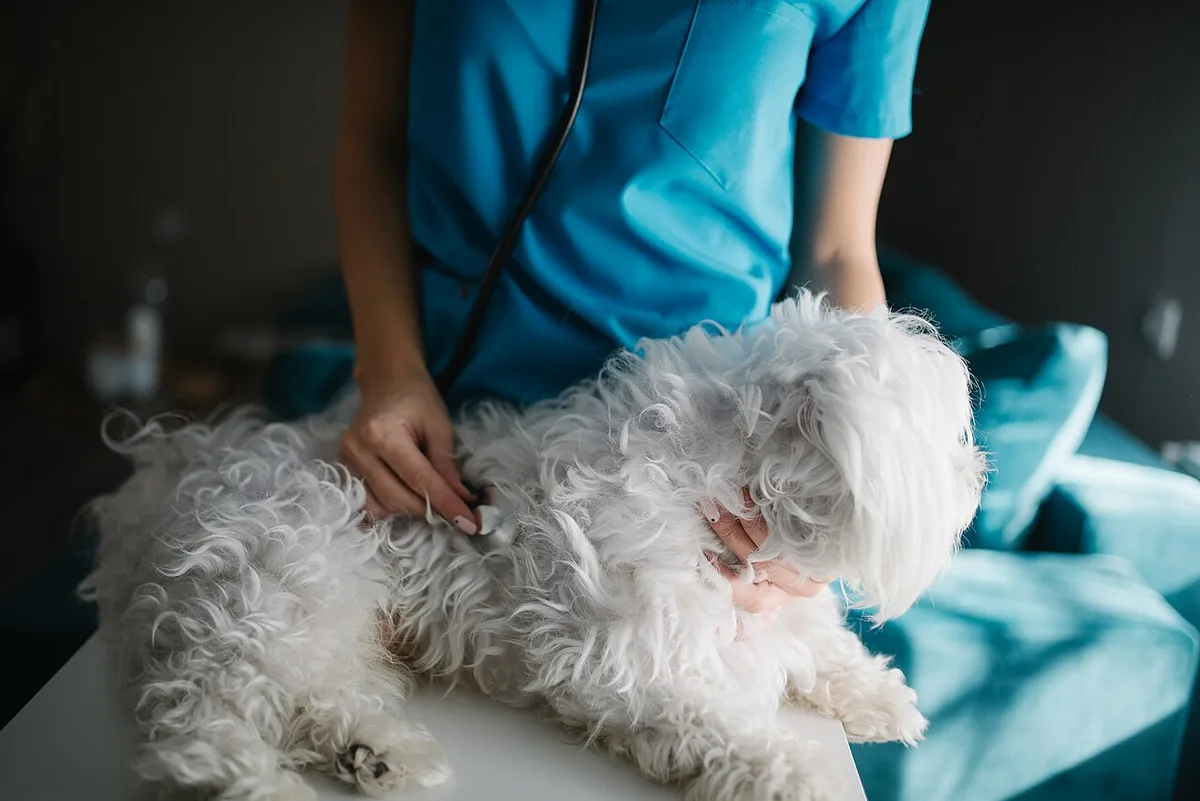
Image source: Wikimedia Commons / Nenad Stojkovic (CC BY)
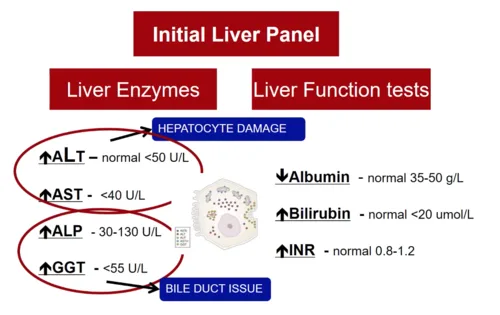
Image source: Bing (Web (fair-use with source credit))
When It’s an Emergency vs. When to Monitor
A single mild elevation might not be urgent. If ALT or AST is slightly above normal but your dog feels fine, your vet may recommend rechecking in a few weeks. Dietary changes or a recent meal can sometimes cause temporary spikes.
Severe elevations demand immediate action. ALT over 500 U/L or ALP above 1,000 U/L often signals serious liver damage. Symptoms like vomiting, jaundice, or extreme lethargy mean it’s time for emergency care.
Chronic cases need long-term management. If enzymes stay high over months, it could point to ongoing liver disease. Regular monitoring and dietary adjustments can slow progression.
How Vets Diagnose the Underlying Problem
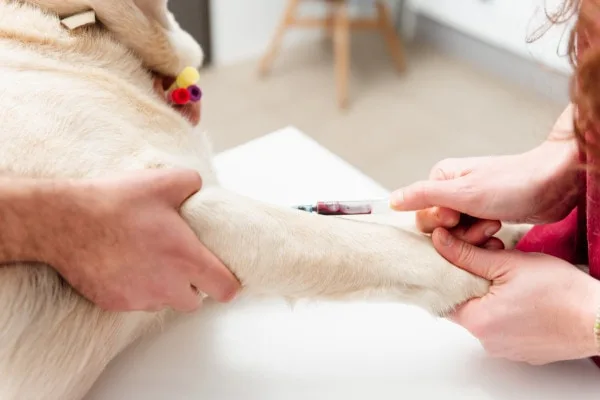
The first step is a full blood panel. Vets look at ALT, AST, ALP, and GGT together. A single high enzyme doesn’t tell the whole story, but patterns help narrow it down.
Imaging comes next. An ultrasound or X-ray can reveal liver size, masses, or structural issues. These tests are non-invasive but give critical clues.
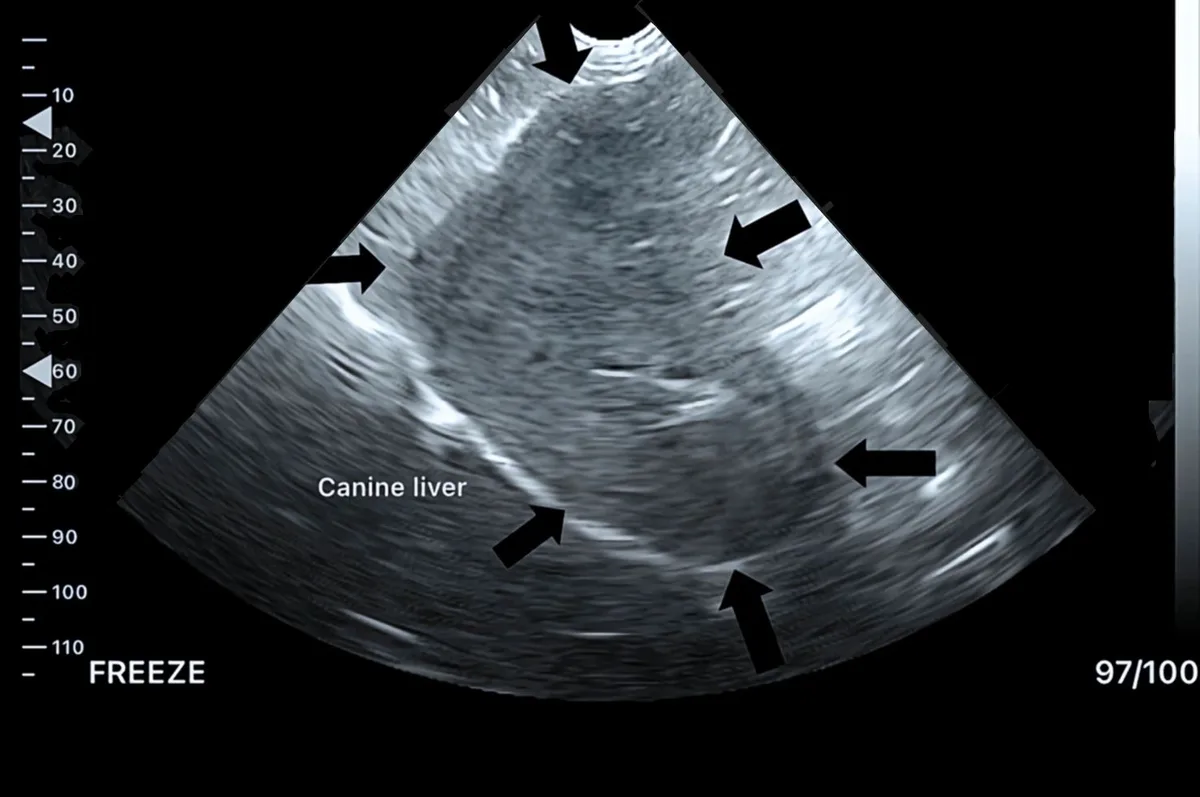
Image source: Bing (Web (fair-use with source credit))
Sometimes a biopsy is needed. This involves taking a small liver tissue sample for lab analysis. It’s the gold standard for diagnosing conditions like chronic hepatitis or cancer.
Urine tests and bile acid measurements add more context. High bile acids can indicate liver dysfunction even when enzymes are normal. Urinalysis helps rule out kidney involvement.
Treatment Options Based on the Cause
For toxin exposure, the goal is to remove the offending substance. Activated charcoal may help if ingestion was recent. IV fluids and supportive care can aid recovery.
Infections often require antibiotics or antiparasitics. Leptospirosis, for example, is treated with doxycycline. Early intervention can prevent permanent liver damage.
Inflammatory liver disease may need steroids or other anti-inflammatories. Immune-mediated hepatitis responds well to immunosuppressive drugs. Always follow your vet’s dosage instructions.
Metabolic disorders are managed with lifestyle changes. Diabetes might need insulin and a low-carb diet. Cushing’s disease often requires medication to control cortisol levels.
Regular bloodwork tracks progress.
How to Prevent Liver Damage Long-Term
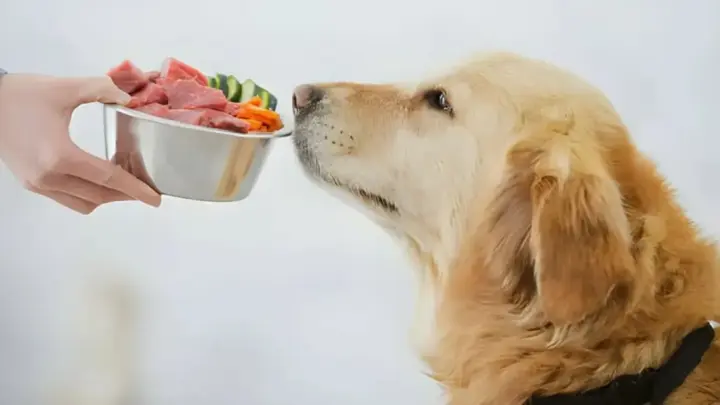
Prevention starts with diet. High-quality protein and low fat reduce liver strain. Avoid table scraps, especially fatty or seasoned foods.
Obesity is a known risk factor for liver disease in dogs.
Regular vet checkups catch issues early. Annual bloodwork is standard for healthy adults. Senior dogs or breeds prone to liver issues may need tests every 6 months.
Early detection means simpler interventions.
Limit exposure to toxins. Keep medications, cleaning supplies, and toxic plants out of reach. Be cautious with supplements, as some can stress the liver.
Always check with your vet before starting new treatments.
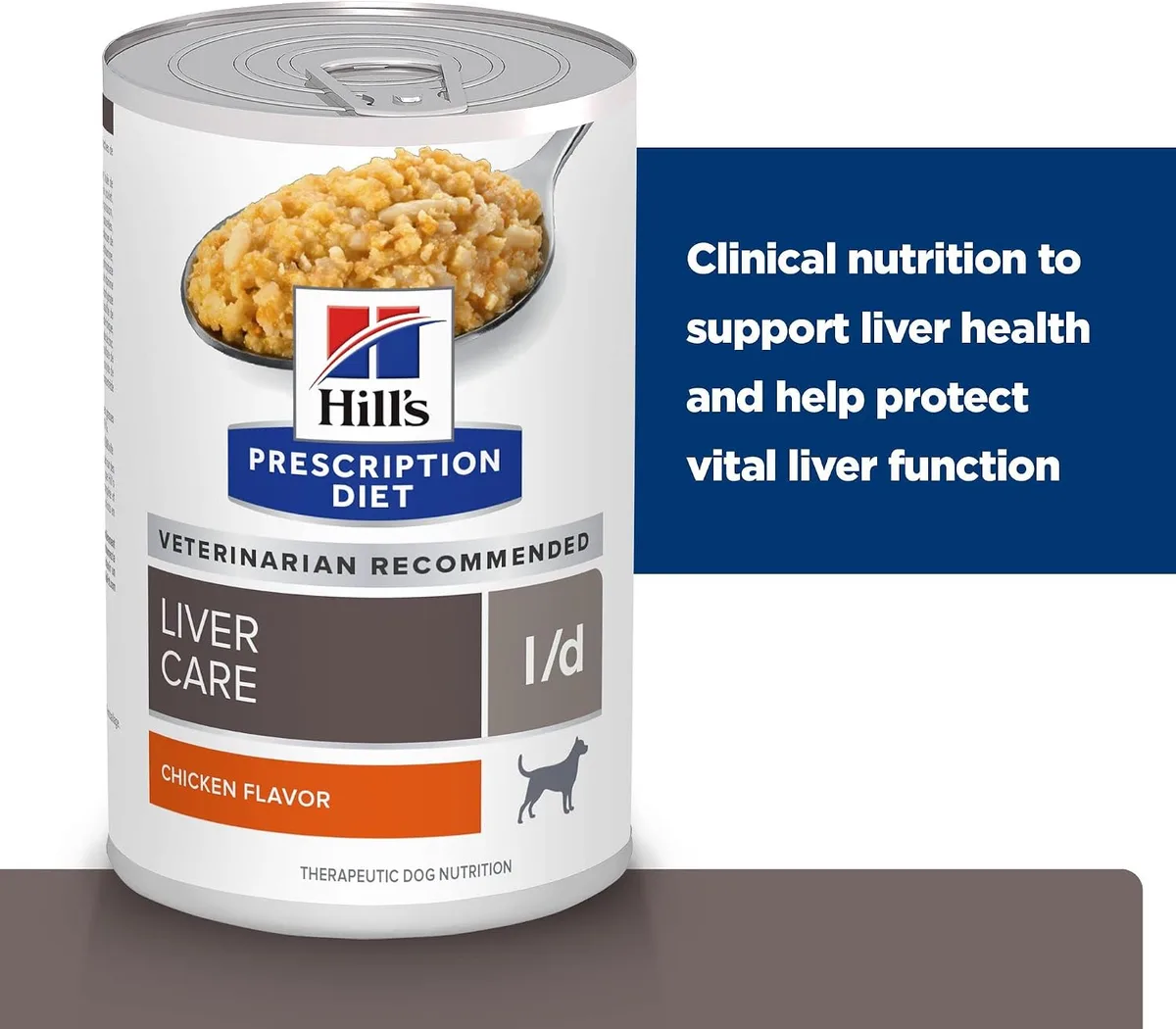
Image source: Bing (Web (fair-use with source credit))
Exercise supports overall health. Moderate activity helps maintain a healthy weight and improves circulation. Both under and over-exercising can impact liver function.
Frequently Asked Questions
Can stress cause elevated liver enzymes in dogs?
Yes, stress can temporarily raise liver enzymes. Boarding, travel, or major changes in routine may trigger mild spikes. These usually resolve once the stressor is removed.
How long does it take for liver enzymes to return to normal?
It depends on the cause. Toxin-related spikes may drop within days to weeks. Chronic conditions could take months of treatment.
Your vet will monitor progress with follow-up bloodwork.
Are some breeds more prone to liver issues?
Yes. Bedlington Terriers, West Highland White Terriers, and Doberman Pinschers have higher risks. Genetic testing can identify breed-specific liver conditions early.
Can diet alone lower elevated liver enzymes?
Sometimes. A liver-supportive diet can help in mild cases. Severe or chronic elevations usually need medical treatment.
Always follow your vet’s recommendations.
What are the first signs of liver problems in dogs?
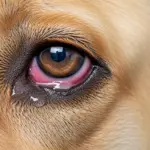
Early signs include lethargy, loss of appetite, and vomiting. Jaundice (yellowing of skin or eyes) is a later symptom. Increased thirst or urination can also indicate liver issues.

Similar Posts