How to Diagnose Diabetes in Dogs
Founder & Veterinary Clinical Advisor at Pets Health Tips · DVM (Doctor of Veterinary Medicine), Member of the American Veterinary Medical Association (AVMA) · 14+ years in companion animal clinical triage, preventative nutrition, and geriatric pet therapy
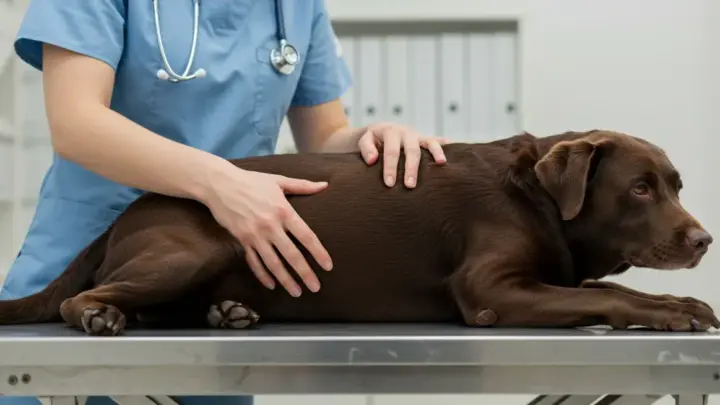
If your dog is drinking more water than usual or losing weight despite eating normally, you might be wondering how diabetes is diagnosed in dogs. Catching it early can prevent serious complications like cataracts or ketoacidosis. A vet typically confirms diabetes through blood and urine tests, with persistent high glucose levels being the key indicator.
As of 2026, the American Veterinary Medical Association reports that 1 in 300 dogs develops diabetes, making awareness critical. Left untreated, it can shorten your dog’s lifespan and lead to emergencies.
how diabetes is diagnosed in dogs
Vets diagnose diabetes in dogs by testing blood and urine for high glucose levels. A fasting blood glucose above 200 mg/dL with matching symptoms is a red flag. Urine tests check for glucose and ketones.
Fructosamine tests confirm average blood sugar over 2 to 3 weeks.
Why Early Diagnosis Matters (And What Happens If You Miss It)
Diabetes in dogs is manageable, but only if caught early. Without treatment, high blood sugar damages organs, nerves, and eyes. Cataracts can form within months, often leading to blindness.
Ketoacidosis, a life-threatening condition, can develop if diabetes goes unchecked.
Early diagnosis also means simpler management. Dogs with controlled diabetes live normal lifespans. Delaying treatment risks infections, kidney disease, and a lower quality of life.
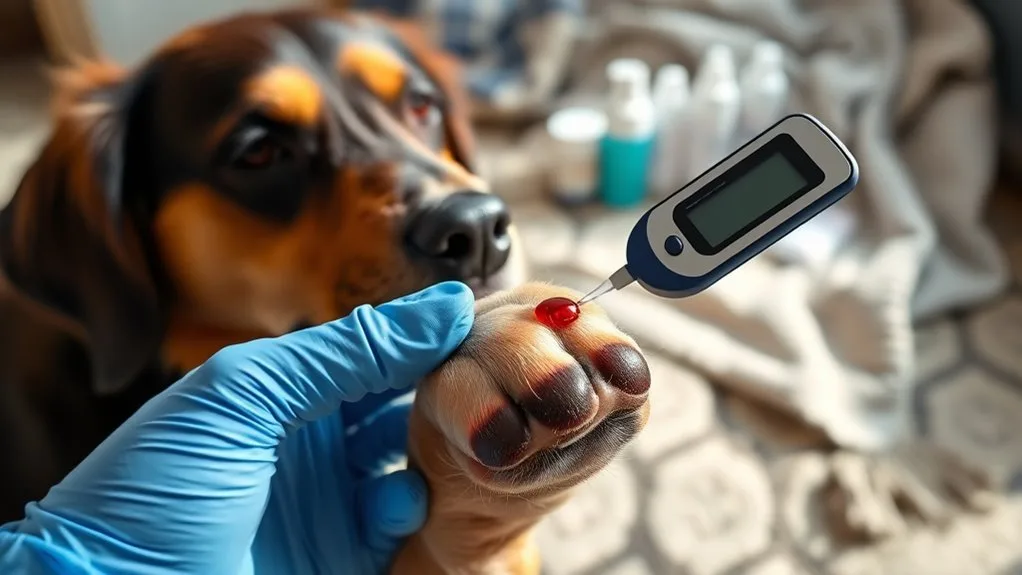
Image source: Bing (Web (fair-use with source credit))
The 4 Key Symptoms That Should Send You to the Vet
Watch for excessive thirst and urination first. These are the most common signs of canine diabetes. Increased hunger with weight loss is another red flag.
Lethargy or recurring infections, like UTIs, often appear as the disease progresses.
Some dogs develop cloudy eyes, a sign of cataracts linked to diabetes. If you notice two or more of these symptoms, schedule a vet visit. Early testing can rule out other conditions with similar signs.
Image source: Wikimedia Commons / Derek Harper (CC BY-SA)
How Vets Confirm Diabetes: Tests, What They Measure, and Why
A vet starts with a blood glucose test. Levels above 200 mg/dL in a fasting dog suggest diabetes. Urinalysis checks for glucose and ketones, which appear when the body burns fat for energy.
A fructosamine test measures average blood sugar over 2 to 3 weeks. This helps confirm diabetes if blood glucose results are borderline. Vets may also run a glucose curve, testing blood sugar every few hours over 12 to 24 hours.
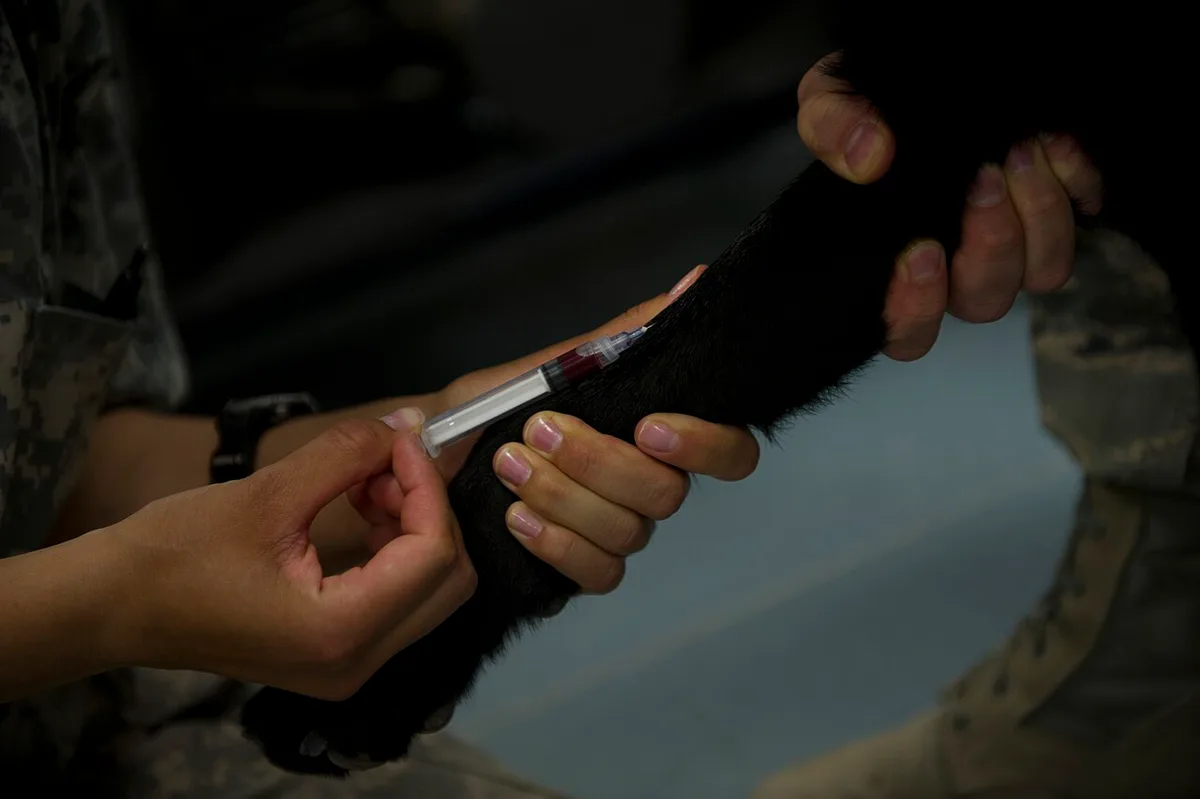
Image source: Wikimedia Commons / Master Sgt. Adrian Cadiz
Step-by-Step: What to Expect During the Diagnostic Process
Your vet will begin with a physical exam and history. They’ll ask about symptoms, diet, and any medications your dog takes. Blood and urine samples are collected for initial testing.
If results are inconclusive, a fructosamine test or glucose curve may follow. Your vet might also test for other conditions, like Cushing’s disease, which mimics diabetes. Confirmation comes from persistent high glucose in blood and urine, along with clinical signs.

Image source: Bing (Web (fair-use with source credit))
Common Mistakes That Delay Diagnosis (And How to Avoid Them)
Assuming increased thirst is just normal aging is a big mistake. Older dogs often show early diabetes signs that owners dismiss. Another error is waiting for all symptoms to appear before seeing a vet.
By then, the disease may have progressed.
Skipping follow-up tests can also lead to misdiagnosis. Stress or recent meals can spike blood sugar temporarily. A single high reading isn’t enough for a diabetes diagnosis.
Vets need consistent results over time.
Managing Diabetes After Diagnosis: Next Steps
Once diagnosed, your vet will prescribe insulin therapy. Most dogs need injections once or twice daily. You’ll learn to administer these at home with proper training.
Diet changes are crucial. High-fiber, low-fat foods help regulate blood sugar. Regular exercise also improves insulin sensitivity.
Your vet will recommend a monitoring schedule to track progress.
Frequently Asked Questions
How long does it take to diagnose diabetes in dogs?
A vet can often confirm diabetes within a day or two. Initial blood and urine tests provide quick results. If further testing like a fructosamine test is needed, it may take a few more days.
Can diabetes in dogs be reversed?
Type 1 diabetes, the most common form in dogs, cannot be reversed. It requires lifelong insulin therapy. Type 2 diabetes, rare in dogs, may be managed with diet and exercise in some cases.
What breeds are most at risk for diabetes?
Australian Terriers, Beagles, Poodles, Dachshunds, and Schnauzers have higher risks. Female dogs and those over 5 years old are also more susceptible. Obesity and steroid use increase the likelihood.
What happens if diabetes goes untreated in dogs?
Untreated diabetes leads to severe complications. Cataracts can cause blindness. Ketoacidosis, a life-threatening condition, can develop.
Organ damage and infections become more likely.
Is diabetes in dogs expensive to treat?
Costs vary but expect to spend $50 to $150 monthly on insulin and supplies. Initial diagnostic tests may cost $200 to $500. Regular vet visits add to the expense but are necessary for management.

Similar Posts