Pancreatitis in Dogs: Key Warning Signs to Watch
Founder & Veterinary Clinical Advisor at Pets Health Tips · DVM (Doctor of Veterinary Medicine), Member of the American Veterinary Medical Association (AVMA) · 14+ years in companion animal clinical triage, preventative nutrition, and geriatric pet therapy
Your dog’s sudden vomiting and hunched back aren’t just a bad meal aftereffect. Recognizing the pancreatitis warning signs in dogs early can mean the difference between a quick recovery and a life-threatening emergency.
Pancreatitis strikes when the pancreas inflames, leaking digestive enzymes that attack the organ itself. As of 2026, it remains one of the most misdiagnosed canine conditions, with severe cases costing thousands in emergency care.
pancreatitis warning signs in dogs
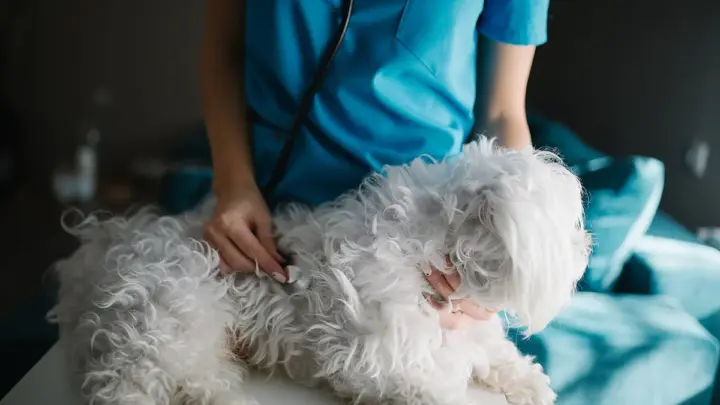
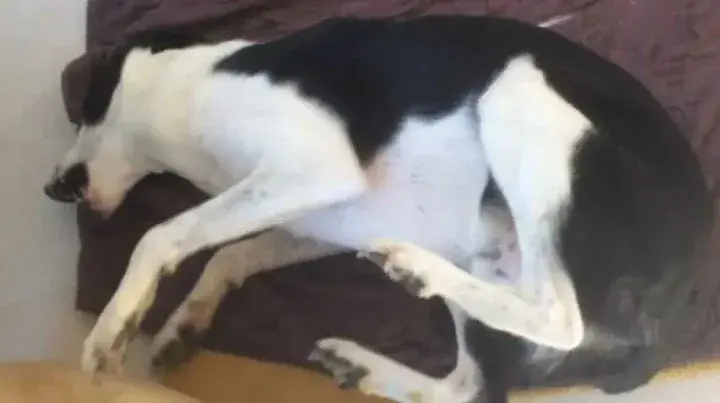
The key signs are vomiting, diarrhea, and a hunched back. Your dog may also refuse food and act lethargic. A bloated or painful abdomen is another red flag.
Why This Is a Veterinary Emergency (Not Just an Upset Stomach)
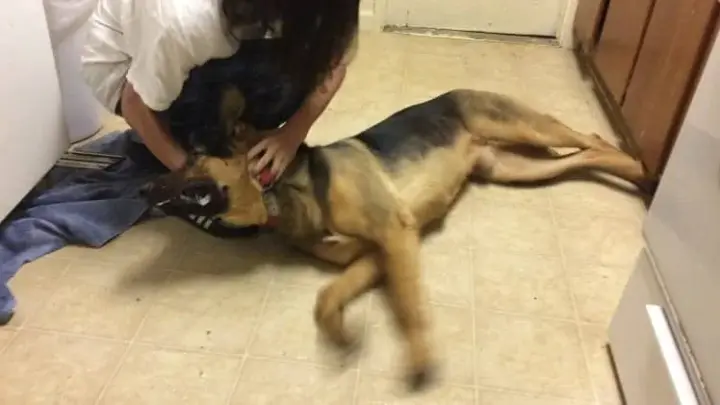
Pancreatitis can escalate fast. Without treatment, the inflammation spreads, damaging other organs like the liver and kidneys. Dogs can go into shock within hours, with pale gums, rapid breathing, and collapse.
This isn’t a wait-and-see situation. Unlike mild stomach upset, pancreatitis often requires IV fluids, pain management, and fasting to stop the pancreas from producing more enzymes. Delaying care increases the risk of permanent damage or death.
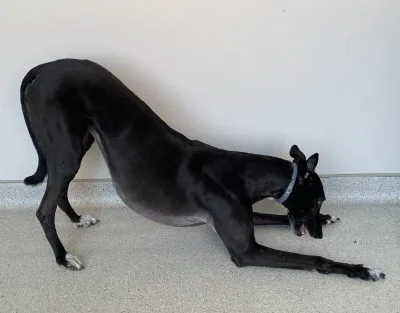
Image source: Bing (Web (fair-use with source credit))
The 9 Red-Flag Symptoms—Ranked by Urgency
Severe (Go to the vet NOW):
- Repeated vomiting (especially with bile)
- Extreme abdominal pain (whining, restlessness, praying position)
- Collapse or inability to stand
Moderate (Vet visit within hours):
- Bloated or hard abdomen
- Diarrhea (greasy, foul-smelling)
- Loss of appetite lasting over 12 hours
Early (Monitor closely, vet same-day):
- Lethargy or weakness
- Dehydration (dry gums, sunken eyes)
- Mild hunched posture
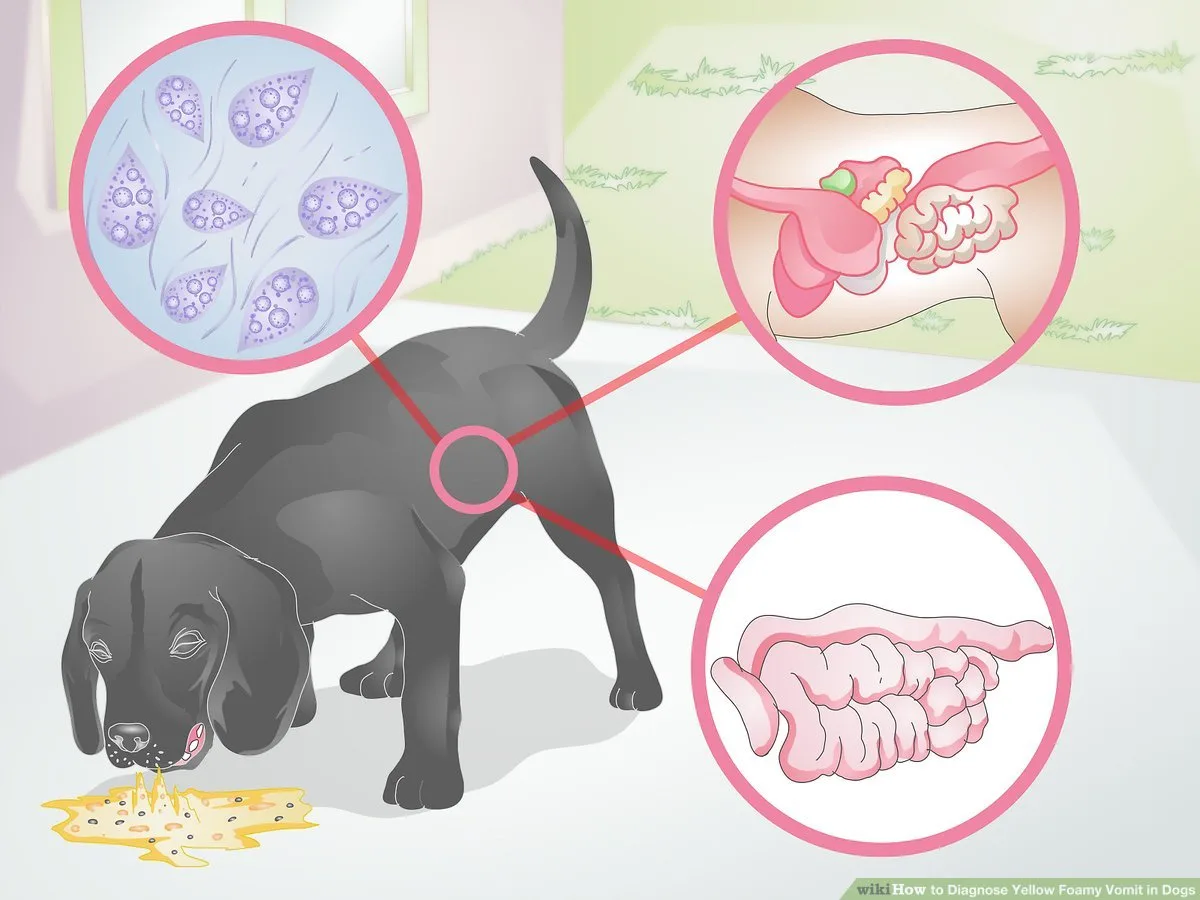
Image source: Bing (Web (fair-use with source credit))
What’s Actually Happening Inside Your Dog’s Body
The pancreas produces enzymes to break down food. When it inflames, these enzymes activate too soon, digesting the pancreas itself. This causes pain, swelling, and tissue damage.
In severe cases, the enzymes leak into the abdomen, leading to peritonitis. The body’s inflammatory response can also affect the liver, kidneys, and lungs. Chronic pancreatitis means long-term damage, often requiring lifelong diet management.
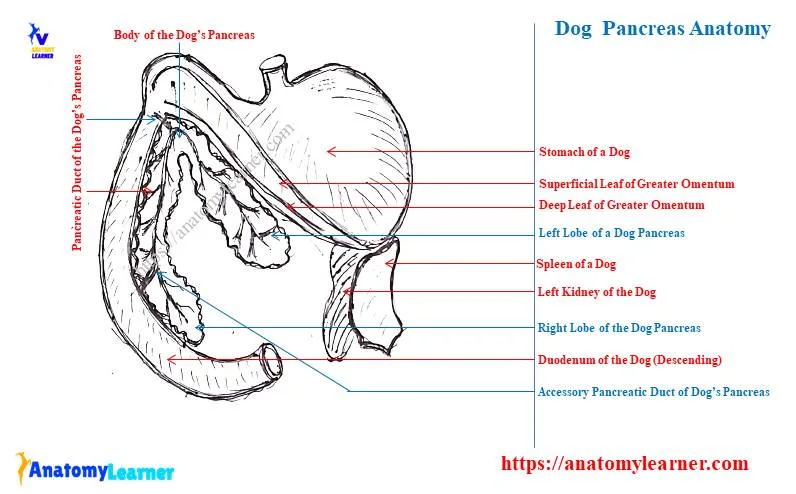
Image source: Bing (Web (fair-use with source credit))
High-Risk Dogs: Breeds, Ages, and Hidden Triggers
Some dogs are more prone to pancreatitis. Miniature Schnauzers, Yorkshire Terriers, and Cocker Spaniels top the list. Overweight dogs and those over 7 years old are also at higher risk.
Fatty foods are a major trigger. Even a single high-fat meal (like bacon or cheese) can set off an attack. Other causes include:
- Obesity
- Hormonal imbalances (e.g., hypothyroidism)
- Certain medications (e.g., corticosteroids)
- Trauma or surgery near the pancreas

Image source: Bing (Web (fair-use with source credit))
What to Do (and Not Do) in the First 30 Minutes
Stop all food and water immediately. This prevents the pancreas from releasing more digestive enzymes. Offering even a small amount can worsen the inflammation.
Do not give any human medications. Pain relievers like ibuprofen or acetaminophen are toxic to dogs. Instead, keep your dog calm and warm while arranging transport to the vet.
If your dog collapses or shows signs of shock, wrap them in a blanket and carry them carefully. Time is critical, so call the vet on the way to alert them of your arrival.
Treatment Timeline: From ER to Recovery at Home
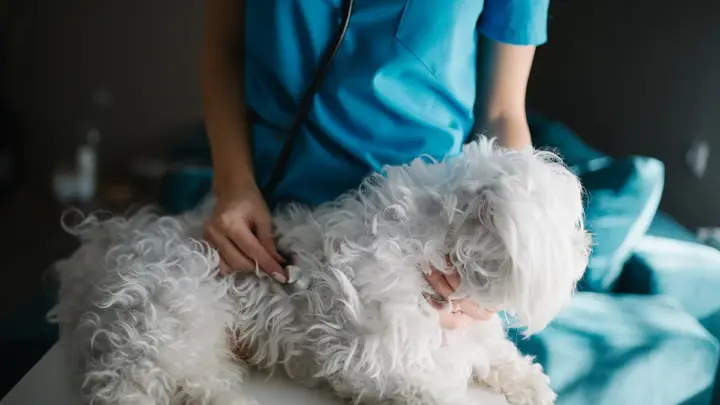
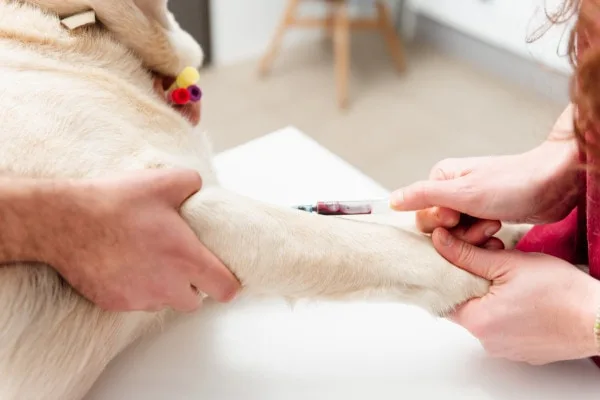
The first 24 hours focus on stabilization. Your vet will likely administer IV fluids to combat dehydration and pain medication to ease discomfort. Blood tests and ultrasounds confirm the diagnosis and rule out other issues.
After stabilization, your dog will need to fast for 24 to 48 hours. This gives the pancreas time to rest. Once vomiting stops, a bland, low-fat diet is introduced gradually.
Recovery at home requires strict diet management. Feed small, frequent meals of low-fat food. Avoid fatty treats or table scraps.
Most dogs show improvement within a few days, but severe cases may need weeks of care.
Frequently Asked Questions
Can pancreatitis in dogs be cured?
Acute pancreatitis can often be resolved with prompt treatment. Chronic cases require lifelong management through diet and medication. Early intervention improves the chances of a full recovery.
What foods trigger pancreatitis in dogs?
High-fat foods are the most common triggers. Avoid giving your dog bacon, cheese, fatty meats, or buttery treats. Even small amounts can set off an attack in susceptible dogs.
How long does it take for a dog to recover from pancreatitis?
Mild cases may recover in 2 to 5 days with proper care. Severe cases can take 1 to 2 weeks or longer. Chronic pancreatitis requires ongoing management to prevent flare-ups.
Is pancreatitis in dogs fatal?
Without treatment, severe pancreatitis can be fatal. The survival rate for mild cases is around 90 percent with treatment. Severe cases have a lower survival rate due to complications like organ failure.
Can I give my dog Pepto-Bismol for pancreatitis?
No. Over-the-counter medications like Pepto-Bismol can be harmful. Always consult your vet before giving any medication.
They may prescribe safe anti-nausea or pain relief options.

Similar Posts