How to Check a Lump on Your Dog Safely
Founder & Veterinary Clinical Advisor at Pets Health Tips · DVM (Doctor of Veterinary Medicine), Member of the American Veterinary Medical Association (AVMA) · 14+ years in companion animal clinical triage, preventative nutrition, and geriatric pet therapy
Finding a lump on your dog is alarming, but knowing how to check a lump on a dog can help you decide whether it’s an emergency or just a minor issue. Not all lumps are dangerous, many are benign, but some can signal serious conditions like cancer or infections.
About 1 in 4 dogs will develop cancer at some point in their lives, according to the American Veterinary Medical Association. That’s why a quick, methodical check is the first step to keeping your dog safe.
how to check a lump on a dog
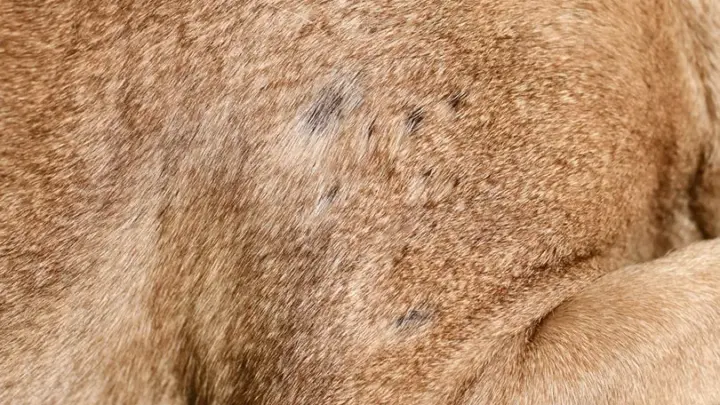
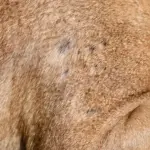
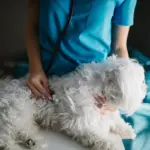
Run your fingers gently over the lump to feel its size, shape, and texture. Note if it’s soft or hard, movable or fixed, and whether it causes your dog pain. Check for redness, discharge, or rapid growth over a few days.
Compare it to known benign lumps like lipomas, which are typically soft and slow-growing.
Why a Lump on Your Dog Needs Immediate Attention
A lump can be anything from a harmless cyst to a life-threatening tumor. The risk isn’t just the lump itself, it’s what it might indicate. Some lumps, like mast cell tumors, can spread quickly if left untreated.
Others, like abscesses, can rupture and cause severe infections.
Dogs often hide discomfort, so they might not show obvious signs of pain. That’s why you can’t rely on behavior alone. Early detection gives your vet the best chance to treat the issue before it becomes serious.
How to Tell If a Lump Is Serious (Red Flags vs. Probably Harmless)
Not all lumps require a trip to the vet, but some signs demand immediate attention.
See a vet within 24 hours if the lump is:
- Growing rapidly (doubling in size in days or weeks)
- Hard, irregularly shaped, or fixed in place
- Bleeding, oozing, or ulcerated
- Painful to the touch (your dog flinches or yelps)
- Accompanied by lethargy, weight loss, or loss of appetite
Lumps that are likely less urgent (but still worth monitoring):
- Soft, movable, and slow-growing (possible lipoma)
- Small, round, and non-painful (possible cyst or wart)
- Appearing after a known injury (possible hematoma)
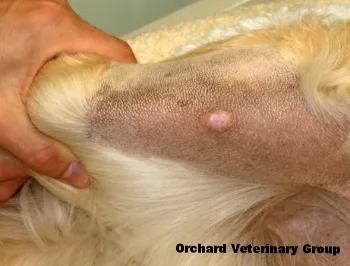
Image source: Bing (Web (fair-use with source credit))
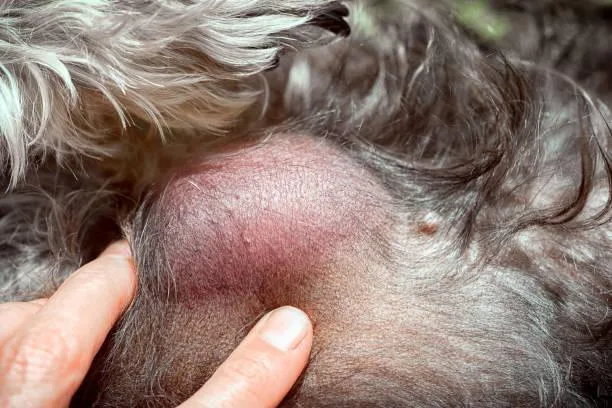
Image source: Bing (Web (fair-use with source credit))
If you’re unsure, take photos and measure the lump with calipers or a ruler. Track changes over 3, 5 days. Rapid changes or multiple lumps are red flags.
Step-by-Step: How to Check a Lump at Home
Start by calming your dog. Have them sit or lie down in a quiet space. Use treats to keep them still if needed.
What you’ll need:
- Good lighting
- A notepad or phone for notes
- A ruler or measuring tape
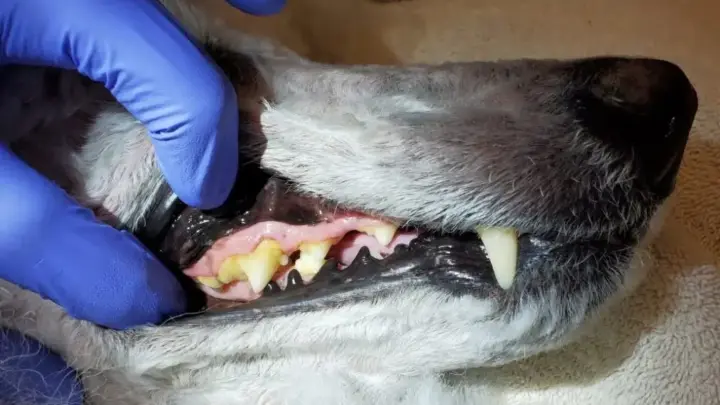
- A flashlight (for lumps in dark areas like the mouth)
Step-by-step process:
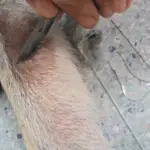
- Locate the lump. Run your hands over your dog’s body, paying attention to areas with thin fur like the belly, armpits, and groin.
- Feel the lump. Note its size, shape, and texture. Is it soft like a marshmallow (possible lipoma) or hard like a rock (possible tumor)?
- Check mobility. Gently try to move the lump under the skin. Movable lumps are often benign, while fixed lumps can be more serious.
- Look for changes. Compare the lump to photos or notes from previous checks. Has it grown, changed color, or started bleeding?
- Observe your dog’s reaction. Do they flinch, lick the area, or seem uncomfortable when you touch it?
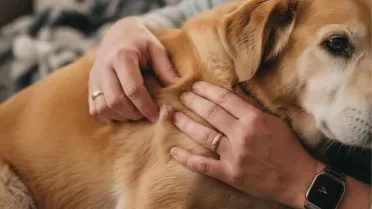
Image source: Bing (Web (fair-use with source credit))
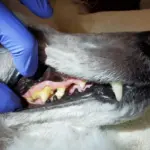
If the lump is in a hard-to-see area like the mouth or under thick fur, use a flashlight and ask for help to hold your dog still. Never poke or squeeze the lump, as this can cause pain or spread infection.
What Your Vet Will Do (And Why It’s Worth the Cost)
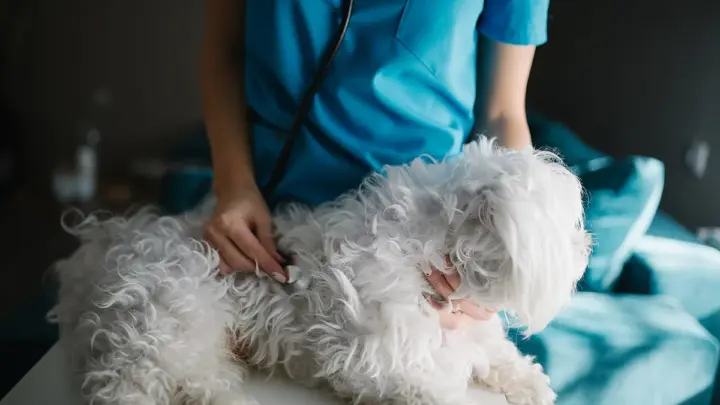
Your vet will start with a physical exam, feeling the lump and checking for other signs of illness. They’ll likely ask about your dog’s history, including when you first noticed the lump and any changes in behavior.
Common diagnostic steps:
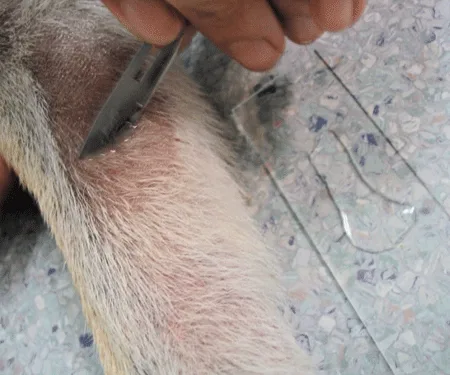
- Fine-needle aspiration (FNA): A quick, minimally invasive procedure where a needle extracts cells from the lump for analysis. Costs $100, $400 as of 2026.
- Biopsy: Surgical removal of a small piece of the lump for lab testing. More invasive but provides a definitive diagnosis. Costs $200, $800.
- Blood tests or imaging: X-rays, ultrasounds, or MRIs may be needed to check for internal spread or other issues. Costs vary widely, from $200 to $1,000+.
| Test | Cost (USD) | What It Tells You | Invasiveness |
|---|---|---|---|
| FNA | $100–$400 | Cell type (benign vs. malignant) | Low |
| Biopsy | $200–$800 | Definitive diagnosis | Medium |
| Ultrasound | $200–$500 | Internal structure, spread | Low |
| X-ray | $150–$300 | Bone involvement, metastasis | Low |
Your vet might recommend monitoring a benign lump, but malignant or suspicious lumps often require removal. The sooner you act, the better the outcome. Delaying treatment can allow cancer to spread or infections to worsen.
Dog Lumps: Common Types, From Benign to Dangerous
Not all lumps are created equal. Some are harmless, while others need urgent care.
Benign lumps:
- Lipomas: Soft, fatty tumors under the skin. Common in older dogs, especially Labradors and Beagles.
- Cysts: Fluid-filled sacs that feel like small, squishy balls. Often caused by blocked glands.
- Warts: Small, rough bumps caused by a virus. Usually harmless but can spread.
Malignant or serious lumps:
- Mast cell tumors: Can look like anything from a small bump to a large, ulcerated mass. Common in Boxers, Bulldogs, and Boston Terriers.
- Melanoma: Dark, pigmented lumps often found in the mouth or on the skin. Aggressive and fast-growing.
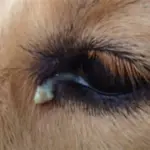
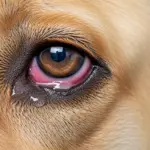
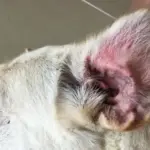
- Abscesses: Painful, pus-filled lumps usually caused by infection. Often red, warm, and swollen.
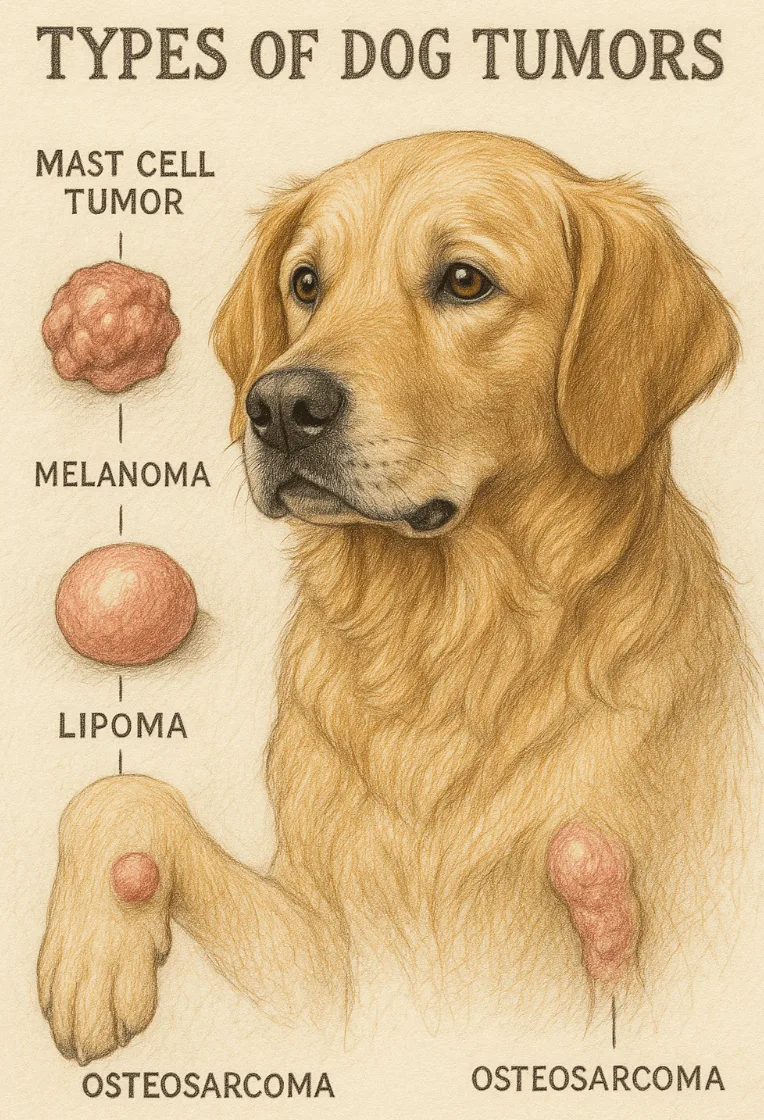
Image source: Bing (Web (fair-use with source credit))
Some lumps, like histiocytomas, are common in young dogs and often go away on their own. Others, like osteosarcoma, are bone cancers that require immediate treatment.
Mistakes That Could Put Your Dog at Risk
Ignoring a lump because it seems small or harmless is the most common mistake. Even tiny lumps can be serious if they’re malignant.
Other mistakes to avoid:
- Waiting too long to see a vet. Delaying diagnosis can allow cancer to spread or infections to worsen.
- Trying to treat it at home. Popping, draining, or applying ointments can make things worse.
- Assuming it’s just a tick or insect bite. Some bites can become infected or trigger allergic reactions.
- Not tracking changes. Without photos or measurements, it’s hard to tell if a lump is growing.
If your dog has a lump that’s growing, bleeding, or causing discomfort, don’t wait. Early intervention saves lives.

Similar Posts