Why Does My Dog Have Bad Breath?
Founder & Veterinary Clinical Advisor at Pets Health Tips · DVM (Doctor of Veterinary Medicine), Member of the American Veterinary Medical Association (AVMA) · 14+ years in companion animal clinical triage, preventative nutrition, and geriatric pet therapy
Bad breath in dogs isn’t just unpleasant, it’s often a sign something’s wrong. If you’ve ever wondered what causes bad breath in dogs, the answer usually starts with dental disease, but it can also point to serious issues like kidney or liver problems.
In fact, the American Veterinary Medical Association reports that 80% of dogs over age 3 have some form of dental disease. Left untreated, it can lead to pain, tooth loss, and even organ damage.
what causes bad breath in dogs
Dental disease is the top cause. Bacteria build up in the mouth, forming plaque and tartar. Systemic issues like kidney or liver disease can also cause distinct odors.
Diet and trapped food particles contribute as well.
The 6 Most Common Causes of Bad Breath in Dogs
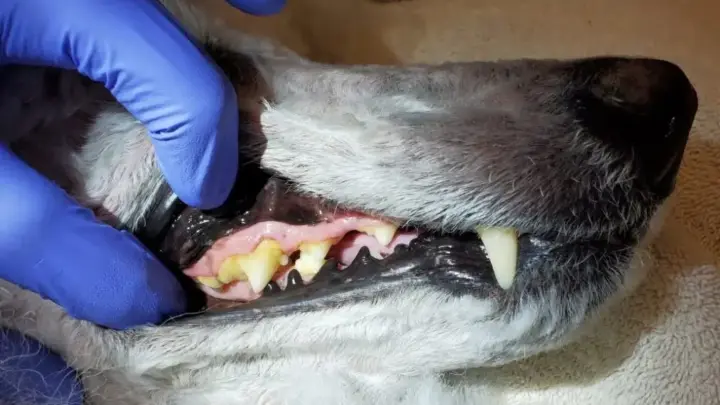
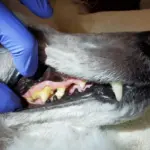
The most frequent culprit is periodontal disease. Bacteria thrive in plaque, leading to gingivitis and tartar buildup. Small breeds and older dogs are especially prone to this.
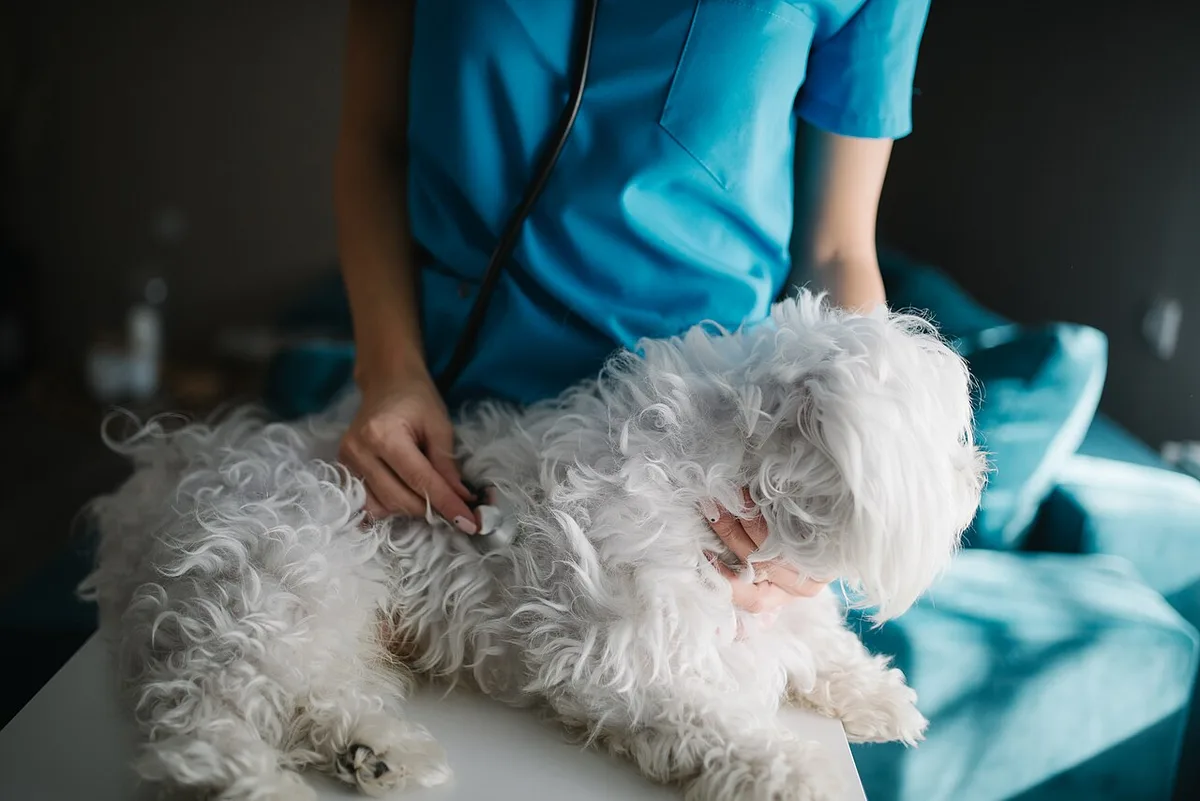
Image source: Wikimedia Commons / Nenad Stojkovic (CC BY)
Kidney disease often causes ammonia-like breath. The kidneys struggle to filter waste, and toxins build up in the bloodstream. This smell is sharp and chemical-like.
Liver disease can create a foul, musty odor. The liver fails to process toxins properly, and the breath takes on a distinct, unpleasant scent. Diabetes may also cause a sweet or fruity smell due to ketones in the blood.
Diet plays a role too. Low-quality food or table scraps can leave residue that bacteria feed on. Foreign objects, like stuck bones or toys, can also cause localized infections.
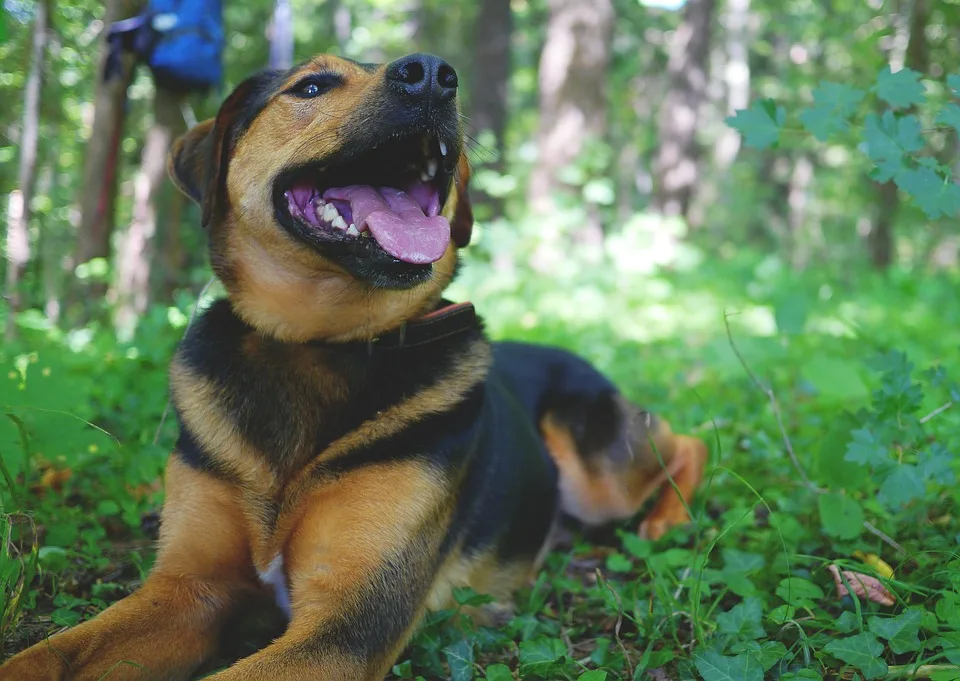
Image source: Bing (Web (fair-use with source credit))
Oral tumors or gastrointestinal issues can also lead to bad breath. Tumors may ulcerate, while acid reflux or stomach ulcers can cause a sour smell. Puppies teething might have temporary bad breath as well.
How to Tell If It’s Dental Disease or Something Worse
Dental disease usually comes with visible signs. Check for yellow or brown tartar on the teeth. Red, swollen, or bleeding gums are red flags.
Drooling more than usual or dropping food can also signal mouth pain.
Systemic issues often have other symptoms. Kidney disease may cause increased thirst and urination. Liver disease can lead to vomiting, diarrhea, or a yellow tint to the gums.
Diabetes might include weight loss, excessive drinking, or lethargy.
A vet can run tests to pinpoint the cause. Bloodwork and urinalysis help identify kidney or liver problems. X-rays can reveal dental issues below the gumline.
Early diagnosis means easier treatment.
Safe Fixes You Can Try at Home (And What to Avoid)
Start with a dental routine. Brush your dog’s teeth daily with dog-specific toothpaste. Human toothpaste is toxic to dogs.
Use a soft-bristled brush or a finger brush for better reach.
Dental chews can help reduce plaque. Look for products approved by the Veterinary Oral Health Council. These are proven to work.
Avoid hard bones or antlers, as they can crack teeth.
Water additives can freshen breath. They contain enzymes that break down bacteria. Just add them to your dog’s water bowl.
But don’t rely on them alone for serious issues.
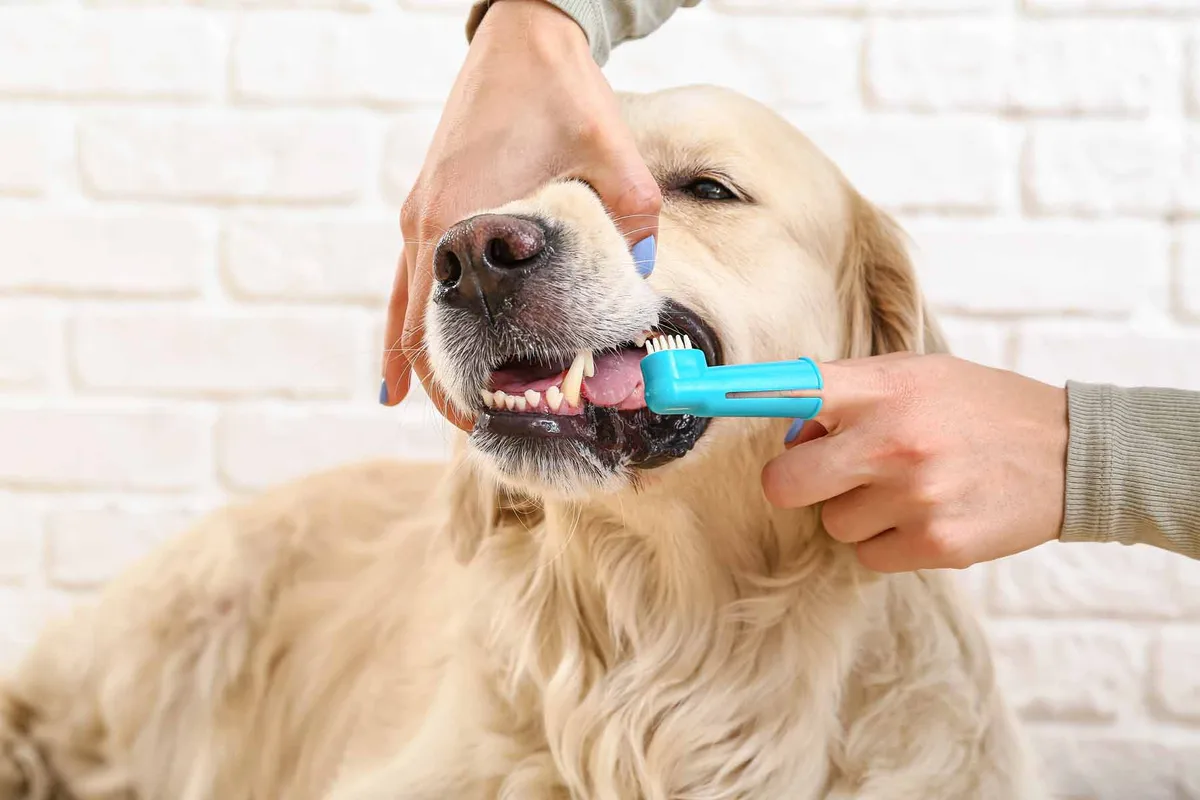
Image source: Bing (Web (fair-use with source credit))
Avoid masking odors with sprays or mints. These don’t address the root cause. Also, skip home remedies like baking soda or hydrogen peroxide, which can irritate your dog’s mouth.
When to See a Vet—Red Flags You Shouldn’t Ignore
See a vet if the bad breath is sudden or severe. This could signal a serious underlying issue. Persistent bad breath, even with good oral care, warrants a checkup.
Watch for other symptoms. Loss of appetite, weight loss, or vomiting are urgent signs. Blood in the saliva or drool is also a red flag.
These could indicate infections, tumors, or organ failure.
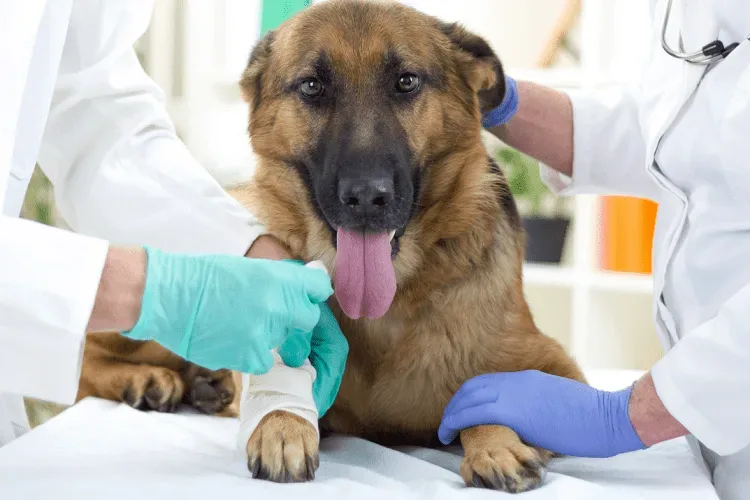
Image source: Bing (Web (fair-use with source credit))
Don’t wait if your dog seems in pain. Pawing at the mouth, whining, or reluctance to eat are clear signs. Early intervention can prevent complications and improve your dog’s quality of life.
For kidney or liver disease, treatment may include medication or diet changes. Dental disease might require a professional cleaning or tooth extraction. Always follow your vet’s advice for the best outcome.
Preventing Bad Breath Long-Term: A Simple Routine That Works
Start with daily tooth brushing. Use a dog-specific toothbrush and toothpaste. Human products can be toxic.
Aim for short, gentle sessions to build the habit.
Add dental chews to the routine. Look for the VOHC seal, which means they meet standards for plaque control. These work best when used daily.
Avoid hard chews that can damage teeth.
Water additives can help between brushings. They contain enzymes that reduce bacteria. Just follow the dosage instructions.
They’re not a substitute for brushing but add extra protection.
Schedule regular vet checkups. Professional cleanings remove tartar that brushing can’t. Most dogs need one every 6 to 12 months.
Your vet can spot early signs of trouble.
Watch your dog’s diet. High-quality kibble can help reduce plaque. Avoid sugary or sticky treats.
Fresh water is also key to flushing out food particles.
Frequently Asked Questions
Why does my dog’s breath smell like fish?
This often points to dental disease or trapped food. Bacteria in the mouth produce sulfur compounds, creating a fishy odor. A vet visit can confirm the cause.
Can bad breath in dogs go away on its own?
No. Bad breath usually signals an underlying issue that won’t resolve without treatment. Dental disease worsens over time.
Systemic causes need medical care.
How often should I brush my dog’s teeth?
Daily brushing is ideal. If that’s not possible, aim for at least 3 to 4 times a week. Consistency matters more than perfection.
What’s the best way to clean a dog’s teeth if they hate brushing?
Try dental wipes or a finger brush. These can be easier for some dogs. Dental chews and water additives also help.
Never force it, go slow and reward cooperation.
Is bad breath in puppies normal?
Puppies can have temporary bad breath while teething. This usually fades as their adult teeth come in. If the smell is strong or persistent, check for infections or foreign objects.

Similar Posts