Safe Fruits for Dogs to Eat
Founder & Veterinary Clinical Advisor at Pets Health Tips · DVM (Doctor of Veterinary Medicine), Member of the American Veterinary Medical Association (AVMA) · 14+ years in companion animal clinical triage, preventative nutrition, and geriatric pet therapy
Dogs love a sweet snack, but not all fruits are fair game. If you’ve ever wondered what fruits can dogs eat safely, the short answer is that some are great in moderation, while others can be downright deadly. A misstep here could mean an emergency vet visit, so knowing the difference is critical.
Per the ASPCA Animal Poison Control Center, even small amounts of certain fruits can cause kidney failure or other serious issues in dogs. That’s why we’ll start with the safest options and how to serve them properly.
what fruits can dogs eat safely
Dogs can safely eat apples, blueberries, watermelon, and bananas. Always remove seeds, pits, and rinds first. Serve in small, bite-sized pieces to prevent choking.
Stick to plain, fresh fruit with no added sugars or seasonings.
Why Fruit Safety for Dogs Is Non-Negotiable
Fruits can be a healthy addition to your dog’s diet, but only if you know which ones are safe. Some fruits pack vitamins and fiber, while others contain toxins that can harm your pet. For example, grapes and raisins can cause kidney failure, even in small amounts.
The ASPCA lists these as some of the most dangerous foods for dogs, and the risks aren’t worth it. Even fruits that are generally safe can cause issues if not prepared correctly. Pits and seeds can be choking hazards or contain harmful compounds like cyanide.
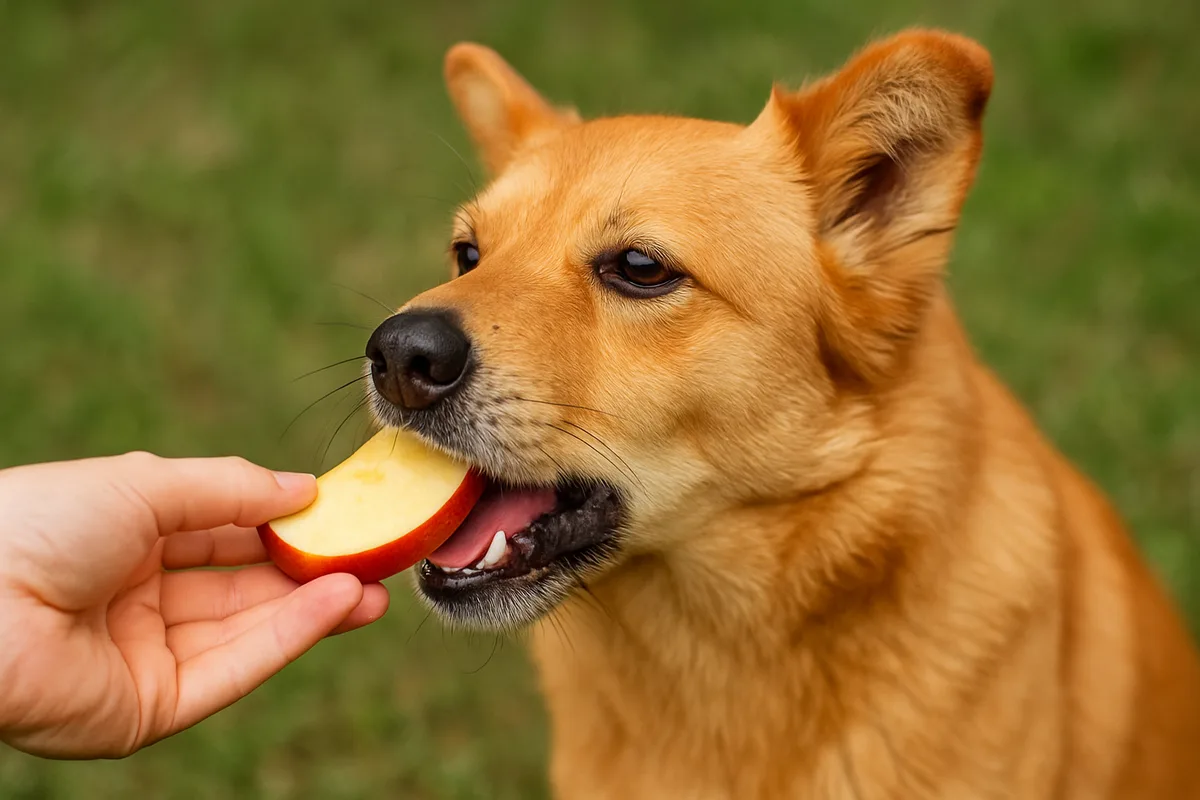
Image source: Bing (Web (fair-use with source credit))
The Safe List: Fruits Dogs Can Eat (and How to Serve Them)
Here’s a breakdown of the fruits that are safe for dogs, along with the best ways to serve them:
- Apples: Remove the core and seeds, then slice into small pieces. Apples are a great source of vitamins A and C.
- Blueberries: Serve fresh or frozen as a low-calorie treat. They’re packed with antioxidants.
- Watermelon: Remove the rind and seeds. It’s hydrating and low in calories.
- Bananas: Peel and slice. They’re high in potassium but also sugar, so serve in moderation.
- Strawberries: Wash and remove the stems. They’re rich in fiber and vitamin C.
- Cantaloupe: Remove the rind and seeds. It’s a good source of vitamins A and B6.
- Oranges: Peel and remove seeds. Serve in small amounts due to the natural sugars.
- Peaches: Remove the pit and slice. Avoid canned peaches with added sugars or syrups.
- Pears: Remove the core and seeds. Serve in small, bite-sized pieces.
- Pineapple: Remove the tough core. Serve in small chunks.
- Mango: Peel and remove the pit. Serve in small pieces.
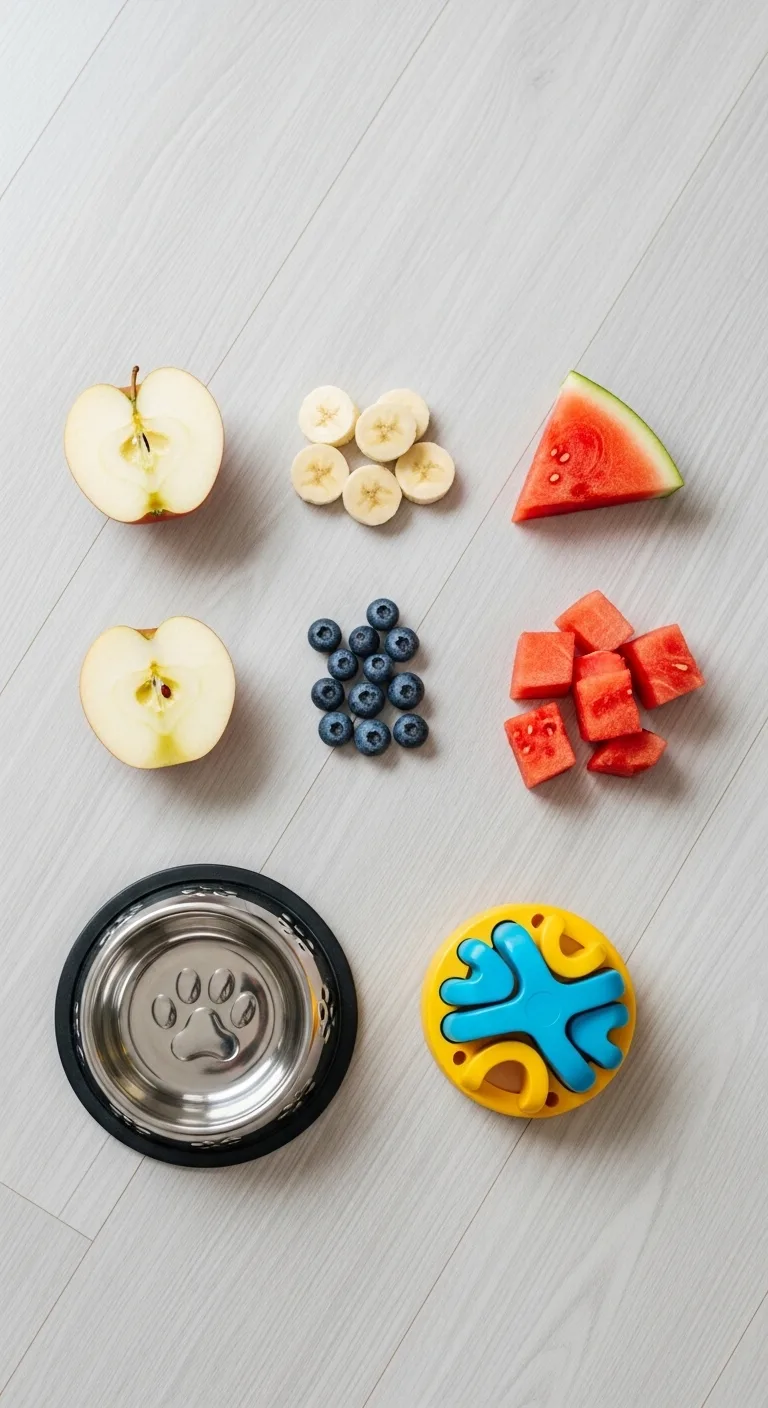
Image source: Bing (Web (fair-use with source credit))
The Danger Zone: Fruits to Avoid at All Costs
Some fruits are a hard no for dogs. Here’s what to keep far away from your pet:
- Grapes and raisins: Even small amounts can cause kidney failure. Symptoms include vomiting, lethargy, and diarrhea.
- Cherries: The pits contain cyanide, which is toxic. The fruit itself can also cause digestive upset.
- Avocado: Contains persin, which can be toxic in large amounts. The pit is also a choking hazard.
- Citrus (peels, seeds, and stems): While small amounts of citrus fruit are okay, the peels and seeds are toxic.
- Tomatoes (green parts): The stems and leaves contain solanine, which is toxic.
- Persimmons: The seeds can cause intestinal blockages, and the fruit can lead to digestive upset.
If your dog ingests any of these, contact your vet or the ASPCA Animal Poison Control Center immediately.
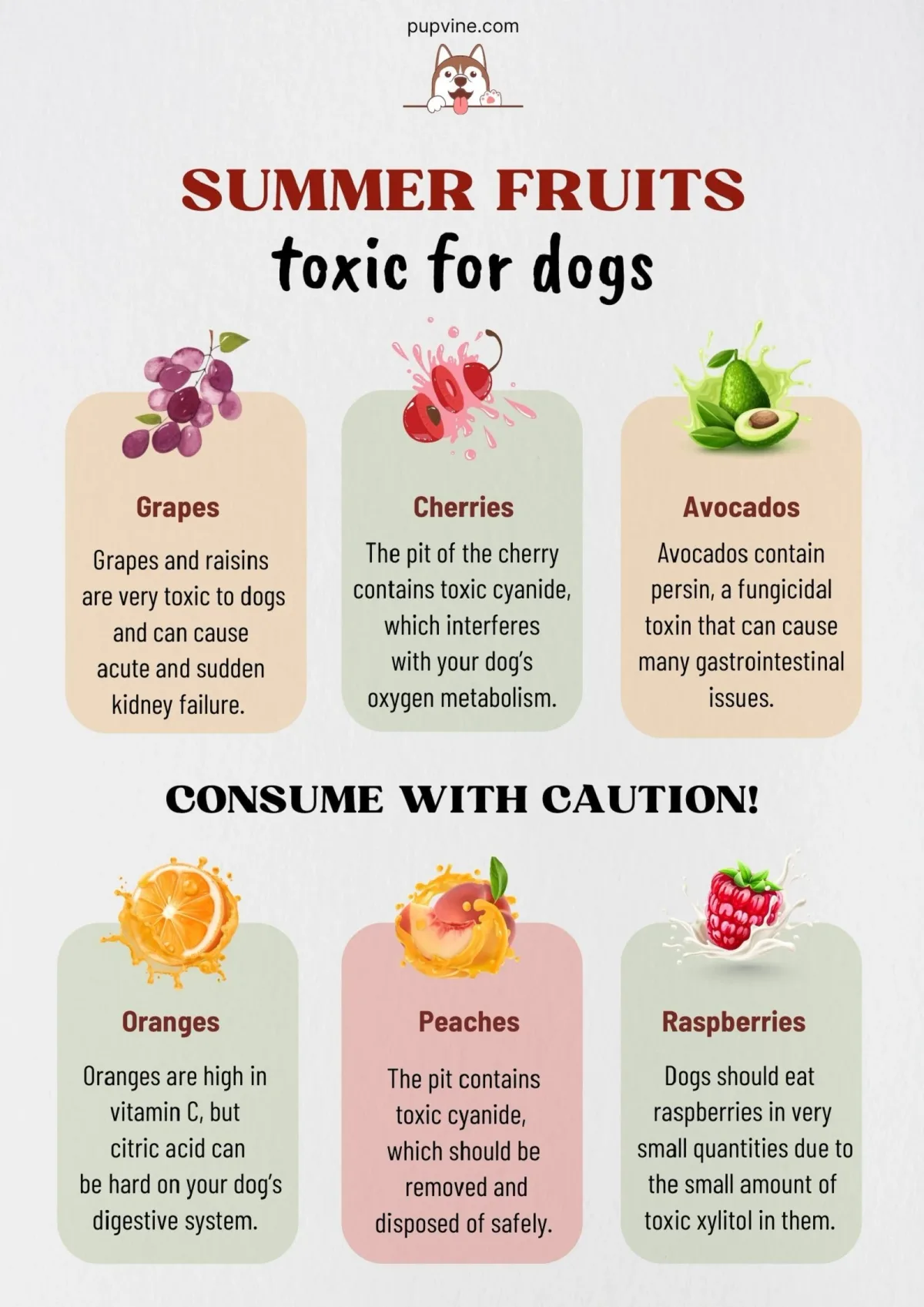
Image source: Bing (Web (fair-use with source credit))
Portion Control and Prep: How to Feed Fruit the Right Way
Even safe fruits need to be served correctly. Start with small amounts to see how your dog reacts. Some dogs may have sensitivities or allergies to certain fruits.
Always wash fruits thoroughly to remove pesticides or dirt. Remove any seeds, pits, stems, or leaves, as these can be choking hazards or contain toxins. Cut fruits into bite-sized pieces to prevent choking, especially for smaller dogs.
Fruits should make up no more than 10% of your dog’s daily calorie intake. Too much sugar, even from natural sources, can lead to weight gain or digestive issues. If you’re unsure about a fruit, consult your vet before offering it to your dog.

Image source: Bing (Web (fair-use with source credit))
Red Flags: Signs Your Dog Reacted Badly
Vomiting or diarrhea within hours of eating fruit is a clear warning sign. Lethargy, excessive drooling, or loss of appetite can also indicate toxicity. In severe cases, tremors, seizures, or difficulty breathing require immediate vet attention.
Some reactions are allergic rather than toxic. Watch for itching, hives, or swelling around the face or paws. If you notice any of these symptoms, stop feeding the fruit and monitor your dog closely.
For known toxic fruits like grapes, even small amounts can cause kidney failure within 24 to 48 hours. The ASPCA notes that symptoms may not appear immediately, so don’t wait for signs if you suspect ingestion. When in doubt, call your vet or a pet poison hotline.
FAQs About Dogs and Fruit
Can dogs eat strawberries every day?
Yes, in small amounts. Strawberries are safe and nutritious but high in natural sugars. Limit to 1-2 berries for small dogs or 3-4 for larger breeds to avoid digestive upset.
Are banana peels safe for dogs?
No. The peels are hard to digest and can cause blockages. Always peel bananas before serving and cut them into small, manageable pieces.
Why are grapes so dangerous for dogs?
Grapes and raisins contain an unknown toxin that can trigger kidney failure. Even a single grape can be harmful, depending on the dog’s size and sensitivity.
Can dogs have canned or dried fruit?
Avoid canned fruits with added sugars or syrups. Dried fruits like raisins are especially risky. Stick to fresh, plain fruit whenever possible.
What should I do if my dog eats a toxic fruit?
Contact your vet or the ASPCA Animal Poison Control Center immediately. Do not induce vomiting unless explicitly instructed to do so.

Similar Posts