How to Find Ticks on Your Dog Safely
Founder & Veterinary Clinical Advisor at Pets Health Tips · DVM (Doctor of Veterinary Medicine), Member of the American Veterinary Medical Association (AVMA) · 14+ years in companion animal clinical triage, preventative nutrition, and geriatric pet therapy
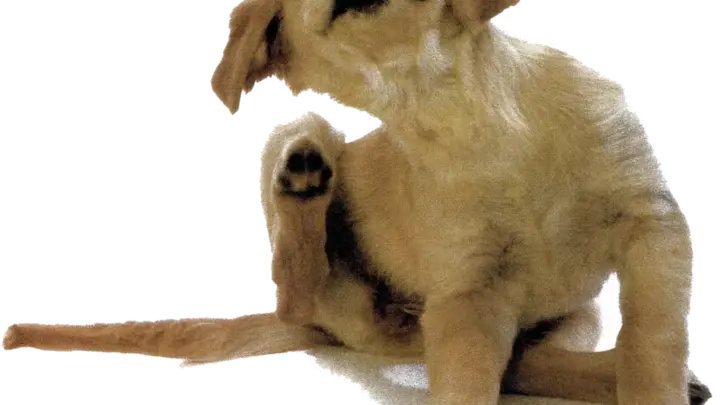
Finding ticks on your dog early can save you both a lot of trouble. Knowing how to find ticks on a dog means catching them before they latch on or transmit diseases like Lyme. A single missed tick can lead to serious health issues for your pet.
Per the Centers for Disease Control and Prevention, ticks can transmit disease-causing pathogens in as little as 24 to 48 hours after attaching. That’s why a thorough, methodical check is your best defense.
how to find ticks on a dog
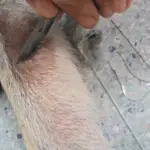
Run your fingers through your dog’s coat with gentle pressure to feel for small bumps. Focus on warm, hidden areas like armpits, ears, and between toes. Use a flea comb for short-haired breeds to catch tiny ticks.
Check after outdoor activity, especially in wooded or grassy areas.
Why Finding Ticks on Your Dog Matters (And What Happens If You Miss Them)
Ticks aren’t just a nuisance. They’re carriers of diseases like Lyme, Rocky Mountain spotted fever, and ehrlichiosis. If left unchecked, an embedded tick can transmit these pathogens to your dog in as little as 24 to 48 hours, per CDC guidelines.
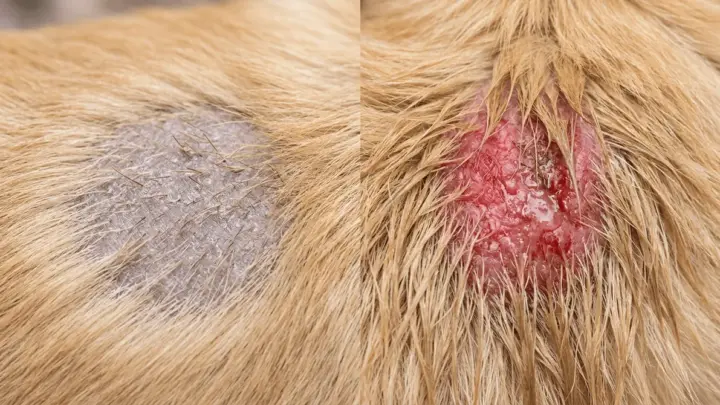
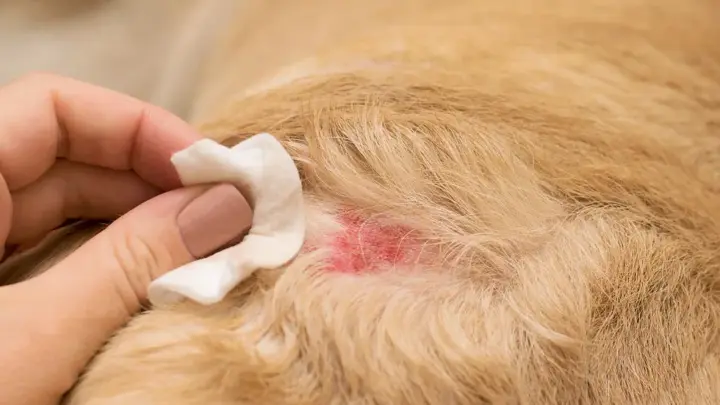
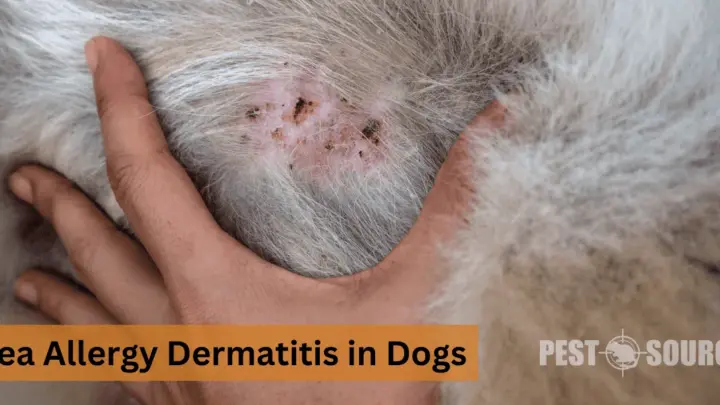
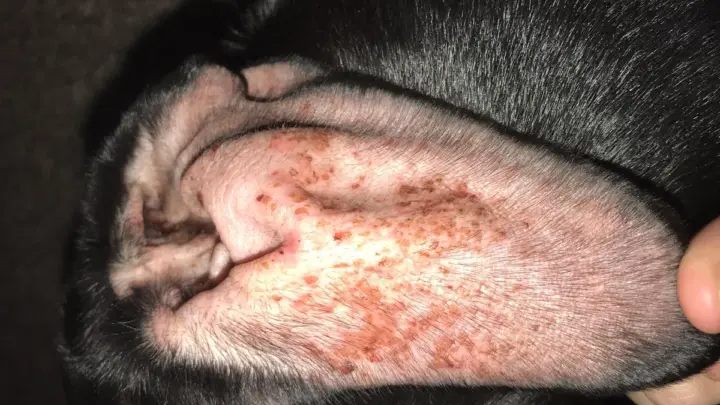
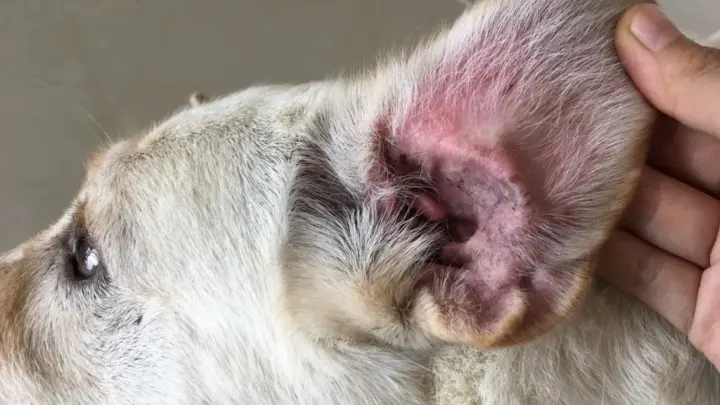
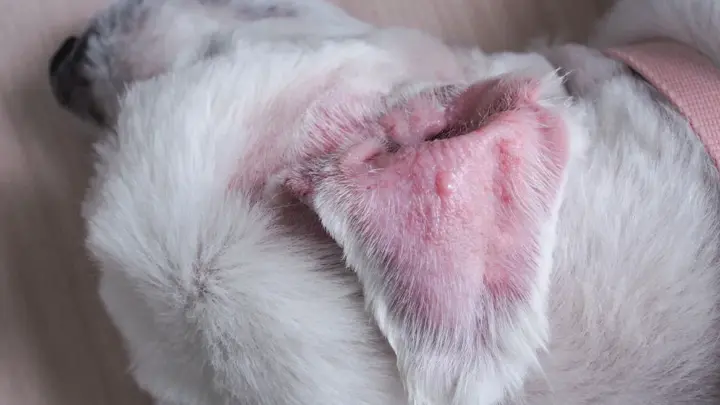
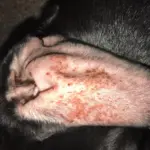
A missed tick can also lead to secondary infections at the bite site. Some dogs develop localized irritation or even allergic reactions. In severe cases, tick paralysis can occur, though it’s rare.
The sooner you spot and remove a tick, the lower the risk of complications.
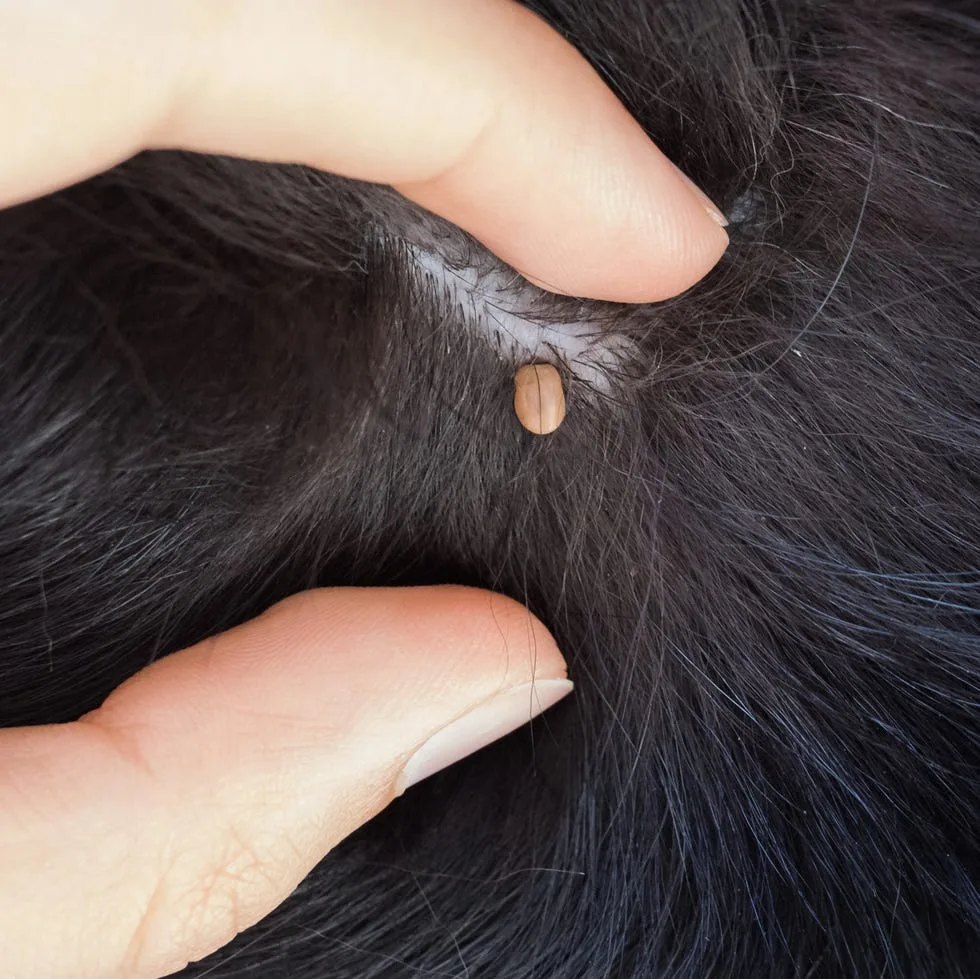
Image source: Bing (Web (fair-use with source credit))
The 3 Types of Ticks You’re Most Likely to Find on Dogs
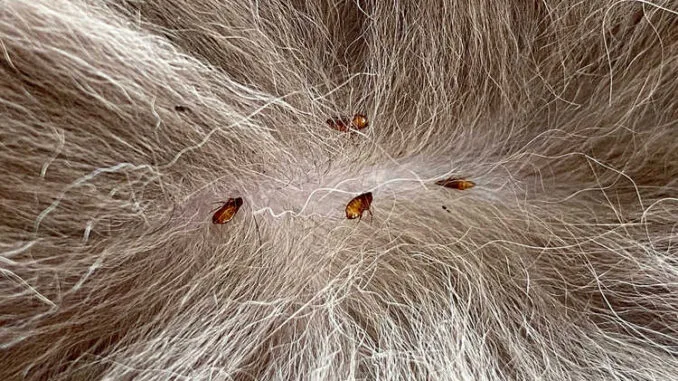
Not all ticks are the same. The three most common species on dogs in the US are the deer tick (or blacklegged tick), the American dog tick, and the brown dog tick. Each has distinct markings and preferred habitats.
Deer ticks are tiny, often the size of a poppy seed, and carry Lyme disease. American dog ticks are larger, with a mottled brown and gray pattern, and can transmit Rocky Mountain spotted fever. Brown dog ticks are reddish-brown and thrive in kennels or homes, often causing infestations.
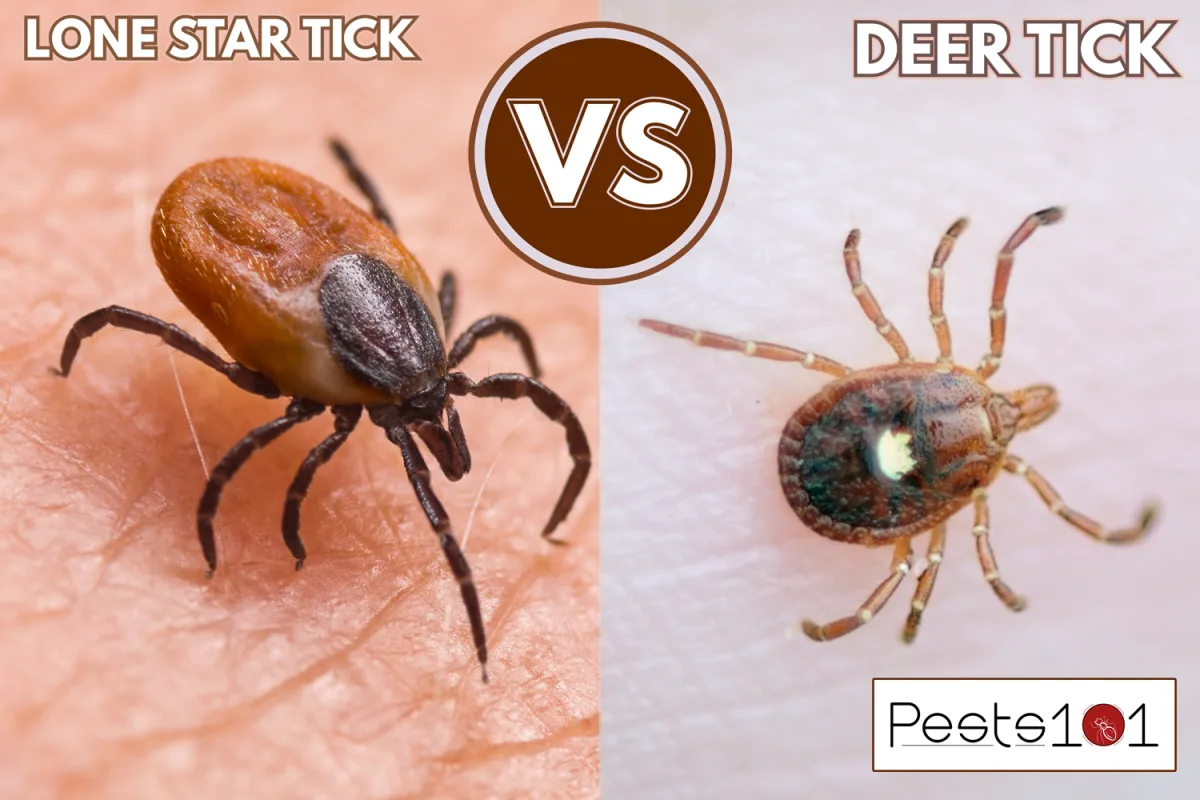
Image source: Bing (Web (fair-use with source credit))
Step-by-Step: How to Check Your Dog for Ticks (With a Foolproof Method)
Start with a calm dog in a well-lit area. If your dog is anxious, take breaks to keep them still. Use your fingers to part the fur and scan the skin, paying extra attention to areas with thin fur or folds.
Work systematically from head to tail. Check the ears, inside and out, as ticks love warm, moist spots. Move to the neck, armpits, and between the toes.
Don’t forget the groin and under the tail. A flea comb can help with short-haired breeds, while a slicker brush works better for long-haired dogs.
Where to Look First (The 7 Most Common Hiding Spots)
Ticks gravitate toward areas where they’re hard to spot and remove. The top hiding spots are:
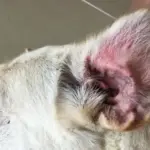
- Ears: Inside the ear flap and around the base
- Neck: Especially under the collar
- Armpits: Front and back legs
- Between toes: Often overlooked but a prime spot
- Groin: Warm and protected
- Tail: Both the top and underside
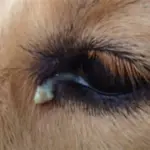
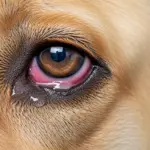
- Eyelids: Less common but possible, especially in long-haired breeds
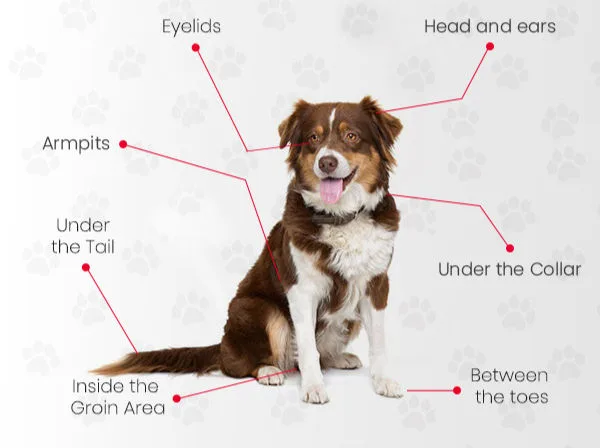
Image source: Bing (Web (fair-use with source credit))
Tools That Actually Help (And Which Ones to Skip)
A few simple tools make tick checks easier and more effective. A flea comb is great for short-haired dogs, while a slicker brush helps part the fur on long-haired breeds. A magnifying glass can help spot tiny nymph ticks, which are barely visible to the naked eye.
Gloves are a smart addition to protect your hands, especially if you’re removing ticks. Tweezers with fine tips are essential for safe removal, but avoid using your fingernails or regular tweezers, as they can squeeze the tick and increase disease transmission risk.
What to Do When You Find a Tick (And How to Remove It Safely)
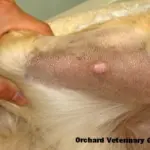
If you find a tick, stay calm. Panicking can stress your dog and make removal harder. Use fine-tipped tweezers or a tick removal tool to grasp the tick as close to the skin as possible.
Pull upward with steady, even pressure, don’t twist or jerk, as this can leave mouthparts behind.
After removal, clean the bite area with rubbing alcohol or soap and water. Dispose of the tick by flushing it or placing it in alcohol. Avoid folklore methods like burning the tick or smothering it with petroleum jelly, as these can cause the tick to regurgitate bacteria into the bite.
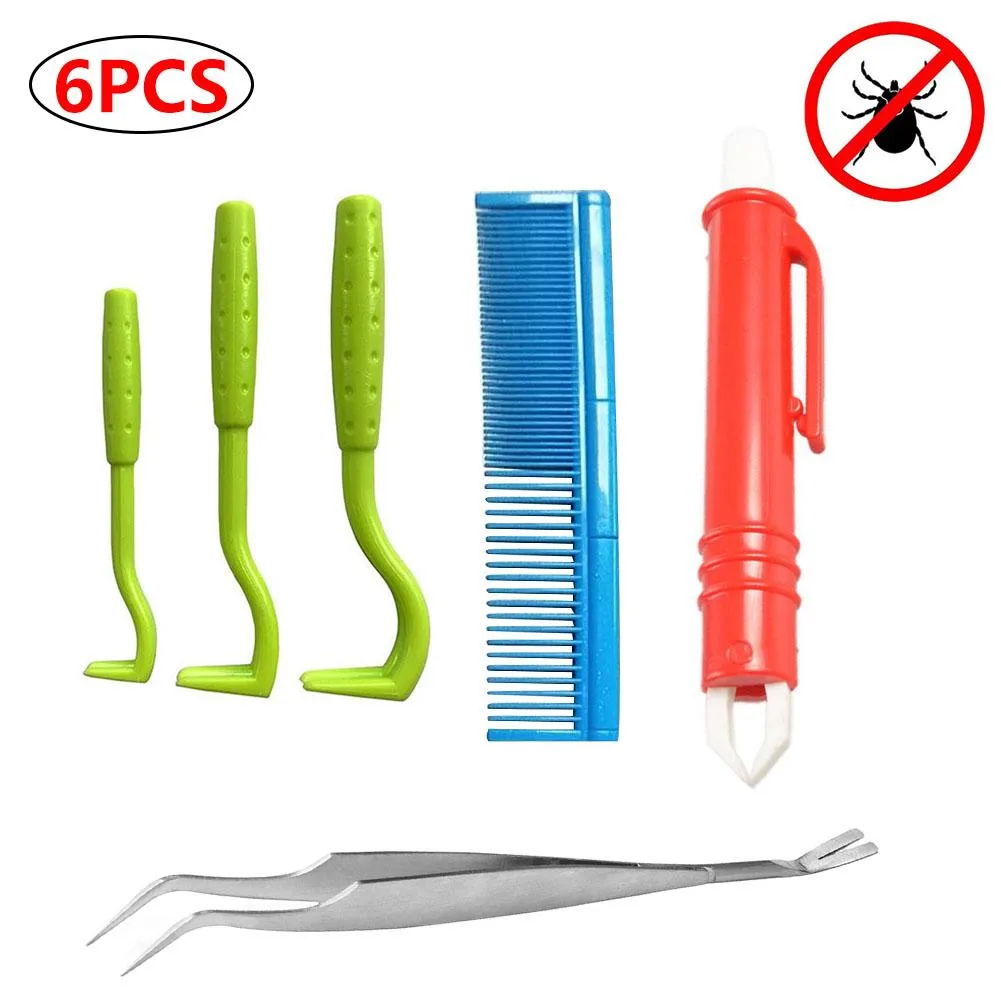
Image source: Bing (Web (fair-use with source credit))
Mistakes That Make Tick Checks Worse (And How to Avoid Them)
One of the biggest mistakes is rushing the process. A quick once-over won’t catch small or hidden ticks. Take your time, especially with long-haired or thick-coated breeds.
Another common error is using your bare hands to remove ticks, which can expose you to diseases.
Avoid squeezing the tick’s body, as this can push infected fluid into your dog. Also, don’t assume a tick is gone just because you can’t see it, nymph ticks are tiny and easy to miss. Finally, skipping regular checks, especially after outdoor activities, increases the risk of missed ticks and potential disease transmission.
When to Call the Vet (Red Flags You Shouldn’t Ignore)
Not every tick bite requires a vet visit. But if your dog shows signs of illness within a few weeks, it’s time to act. Lethargy, fever, or loss of appetite can signal a tick-borne disease.
Watch for a bullseye rash, joint pain, or swollen lymph nodes. These are classic Lyme disease symptoms. If your dog develops a sudden limp or seems unusually tired, don’t wait.
Early treatment with antibiotics can prevent serious complications.
Some ticks cause paralysis, especially in puppies or small breeds. If your dog struggles to stand or walk, seek emergency care. This is rare but can be life-threatening without prompt treatment.
Frequently Asked Questions
How often should I check my dog for ticks?
Check your dog daily if they spend time outdoors in wooded or grassy areas. For indoor dogs, a weekly check is usually enough. Always inspect them after hikes, trips to the park, or playtime in tall grass.
Can ticks jump from dogs to humans?
Ticks don’t jump or fly. But they can crawl from your dog to you if you’re in close contact. Always wear gloves when removing ticks and wash your hands afterward.
Check yourself for ticks after handling an infested pet.
What’s the best way to dispose of a tick?
Flush it down the toilet or place it in a sealed bag with rubbing alcohol. Never crush a tick with your fingers, as this can release pathogens. If you want to identify the tick later, store it in a small container with alcohol.
How can I prevent ticks on my dog?
Use vet-approved tick preventatives like spot-on treatments, oral medications, or tick collars. Keep your yard tidy by mowing the lawn and removing leaf litter. Avoid tall grass and wooded areas during peak tick season, typically spring through fall.
Can I use essential oils to repel ticks on my dog?
Some essential oils like cedar or lavender may have mild repellent properties. But they’re not as effective as vet-approved products. Never apply undiluted oils directly to your dog’s skin, as they can cause irritation or toxicity.
How do I know if a tick bite is infected?
Look for redness, swelling, or pus at the bite site. If the area feels warm or your dog seems painful, it could be infected. A vet can prescribe antibiotics if needed.
Monitor your dog for a few days after removal.

Similar Posts