How to Spot Fleas on Your Dog
Founder & Veterinary Clinical Advisor at Pets Health Tips · DVM (Doctor of Veterinary Medicine), Member of the American Veterinary Medical Association (AVMA) · 14+ years in companion animal clinical triage, preventative nutrition, and geriatric pet therapy
Your dog’s constant scratching probably has you wondering how to tell if a dog has fleas. Fleas are sneaky, but they leave clear signs if you know where to look. A single flea can lay up to 50 eggs a day, so catching them early saves your pet a lot of discomfort.
Fleas thrive year-round, especially in warm homes, so checking regularly is key. Here’s how to spot them before they take over.
how to tell if a dog has fleas
Look for tiny black insects moving quickly through the fur. Check for flea dirt, which looks like black specks on the skin. Use a fine-toothed flea comb to catch fleas or their eggs.
A wet paper test turns flea dirt reddish-brown.
How Fleas Hide and What to Look For
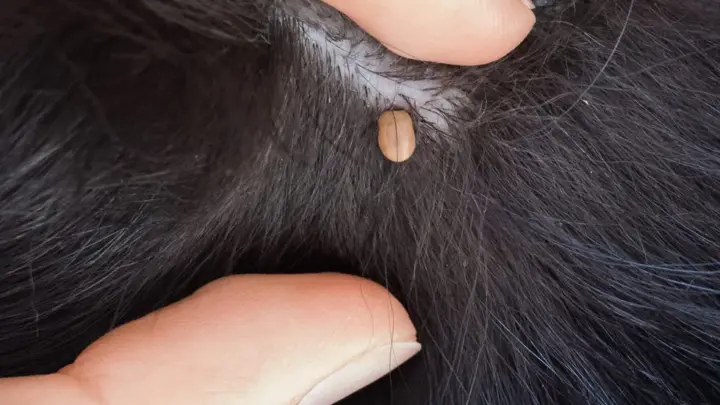
Fleas are experts at staying out of sight. They prefer warm, hidden spots like the base of the tail, armpits, and belly. Their dark brown bodies are only 1, 3 mm long, making them hard to spot in thick or dark fur.
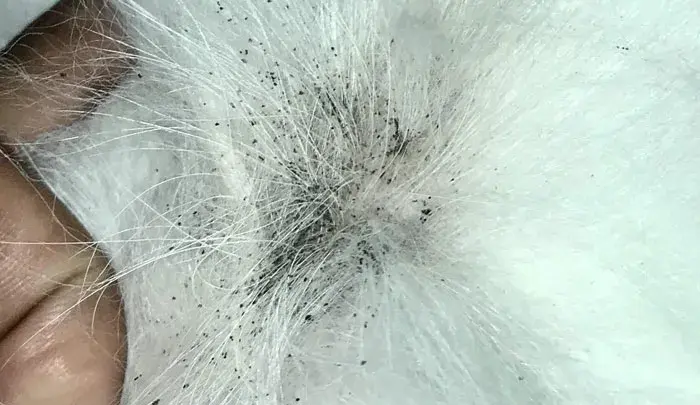
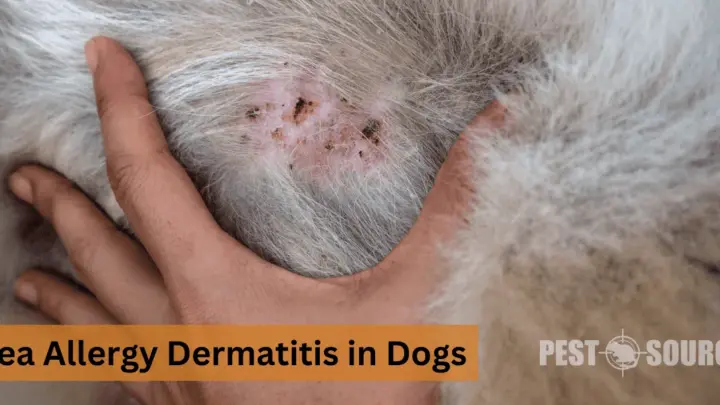
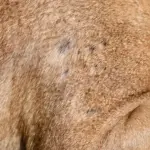
Dogs with fleas often scratch, bite, or lick certain areas more than usual. Some dogs develop flea allergy dermatitis, where even a few bites cause intense itching. Flea dirt, or flea feces, is another giveaway.
It looks like tiny black specks but is actually dried blood from their bites.
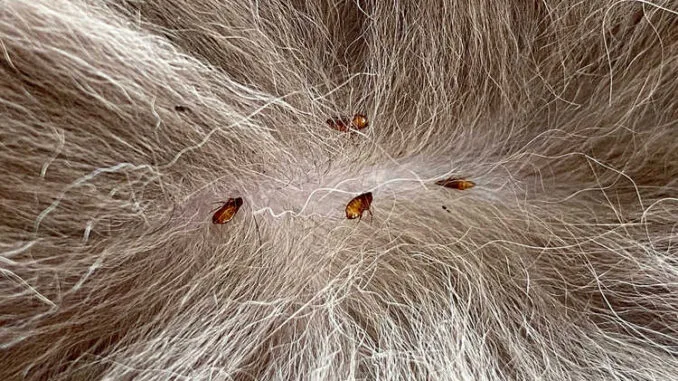
Image source: Bing (Web (fair-use with source credit))
Fleas can jump up to 7 inches, so they move fast when exposed. If your dog has light-colored fur, fleas and their dirt are easier to see. On darker coats, part the fur and look closely at the skin.
Step-by-Step: How to Check Your Dog for Fleas at Home
Start by observing your dog’s behavior. Excessive scratching, especially around the tail or hind legs, is a red flag. Next, part the fur in several spots, particularly where fleas like to hide.
Use a fine-toothed flea comb to go through the fur methodically. Focus on the neck, back, and tail areas. If fleas are present, the comb will catch them or their eggs.
Tap the comb onto a white paper towel to see the debris more clearly.

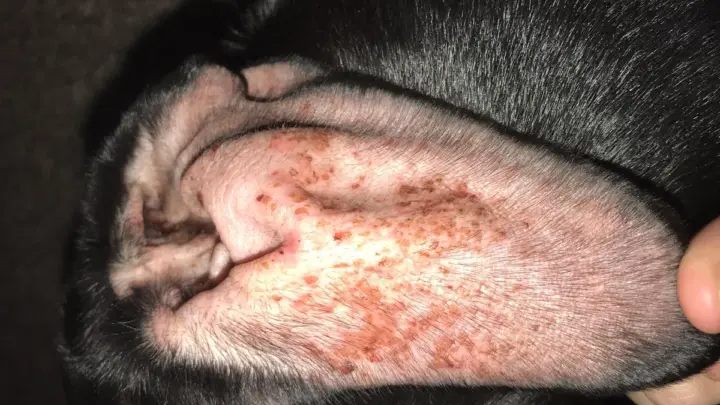
Image source: Bing (Web (fair-use with source credit))
Work in a well-lit area and check the skin, not just the fur. Flea eggs are tiny, white, and oval, while flea dirt looks like black pepper flakes. If you see anything suspicious, proceed to the wet test for confirmation.
Flea Dirt vs. Dirt: The Simple Test That Confirms It
Flea dirt is often mistaken for regular dirt or dandruff. The difference is simple: flea dirt is dried blood. To confirm, place the black specks on a damp white paper towel.
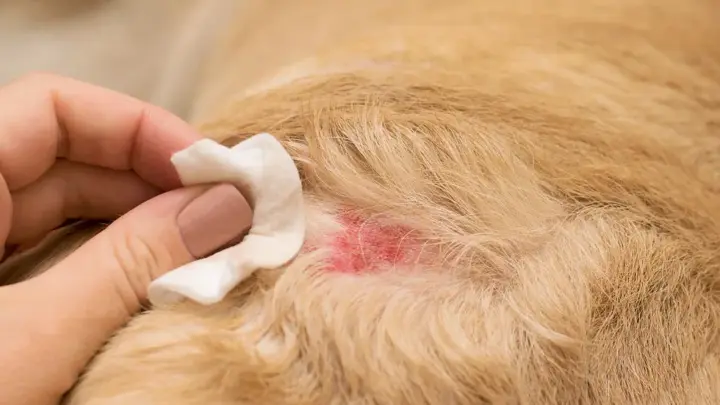
If the specks dissolve into a reddish-brown stain, it’s flea dirt. Regular dirt won’t change color. This test works because flea feces contain blood from their meals on your dog.
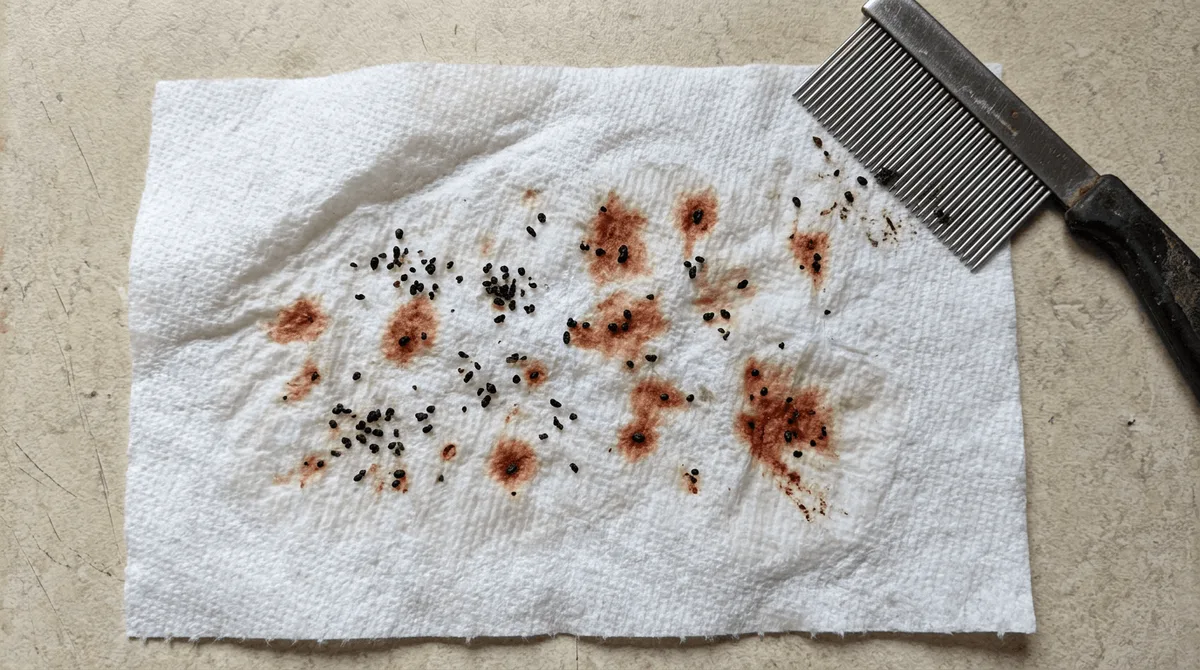
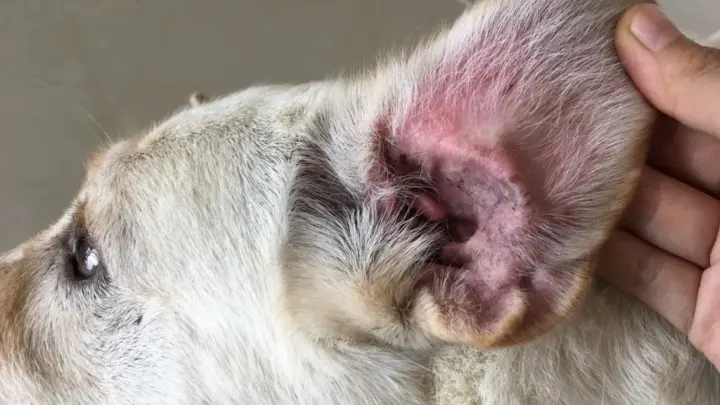
Image source: Bing (Web (fair-use with source credit))
This method is quick and reliable. It’s especially useful for dogs with dark fur where fleas and their dirt are harder to see. If the test is positive, it’s time to take action.
When to Skip DIY and See a Vet
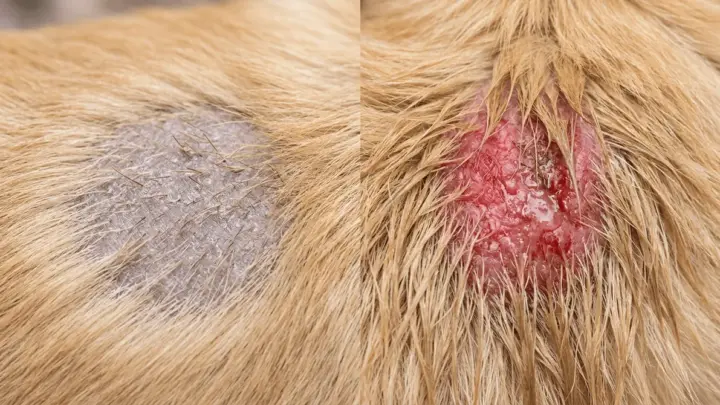
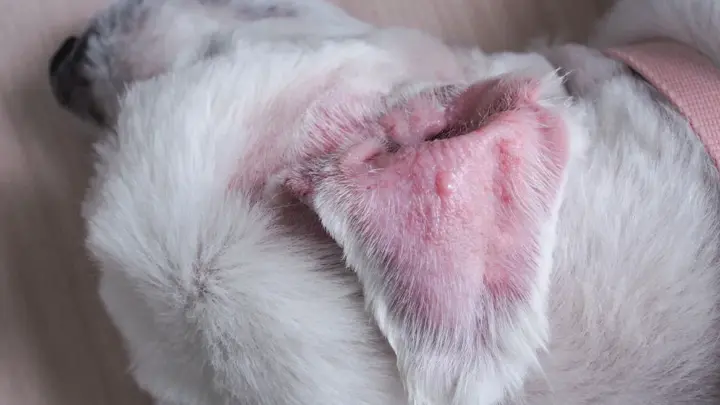
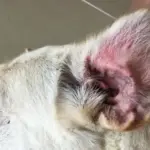
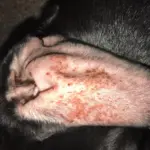
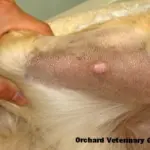
If your dog has severe itching, hair loss, or red, inflamed skin, it might have flea allergy dermatitis. This condition requires a vet’s attention to manage the allergic reaction and prevent secondary infections.
Some dogs show no obvious signs of fleas but still have them. If you’ve checked thoroughly and are unsure, a vet can perform a skin scrape or use a flea comb to confirm. They can also recommend safe, effective treatments tailored to your dog’s needs.
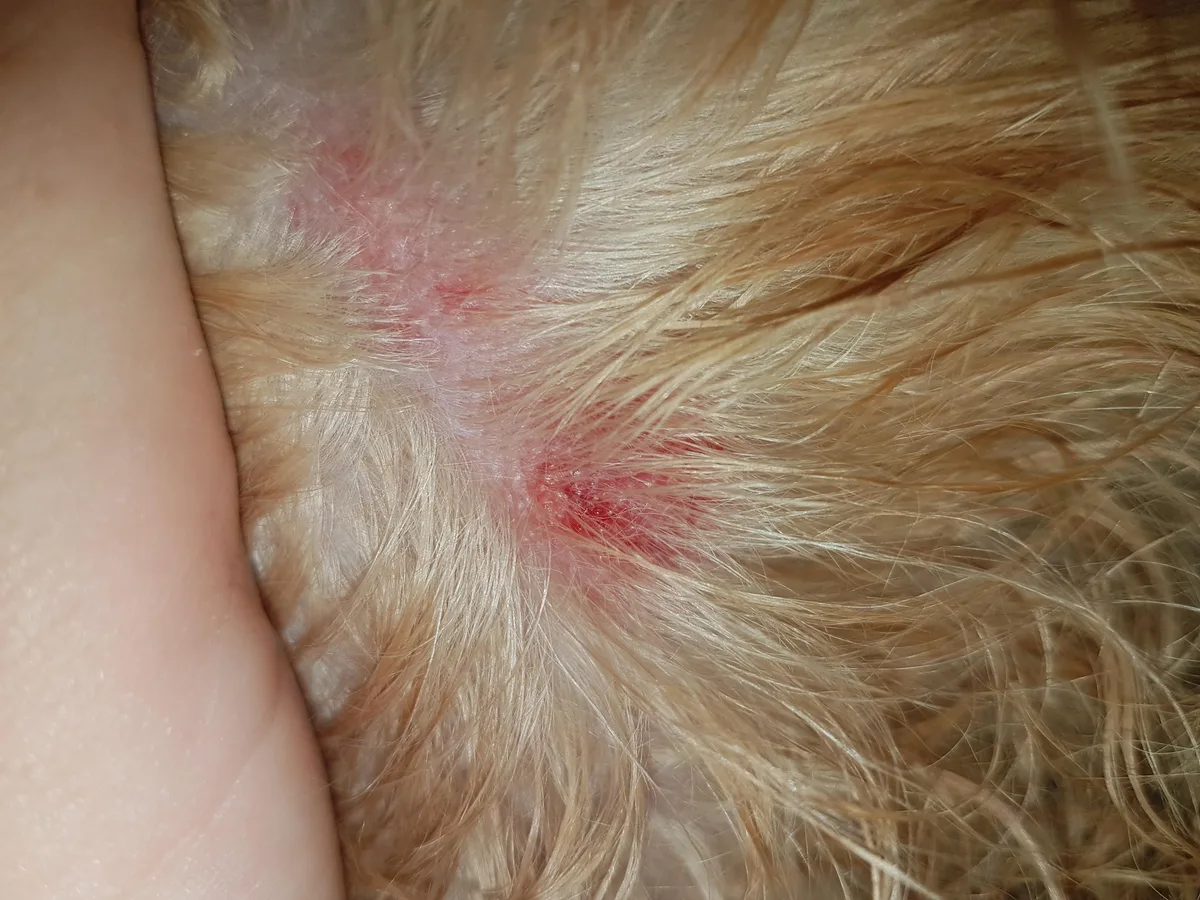
Image source: Bing (Web (fair-use with source credit))
Puppies, elderly dogs, or those with compromised immune systems need prompt care. Fleas can also transmit tapeworms or other parasites, so professional guidance ensures your dog stays healthy. According to the Companion Animal Parasite Council, flea infestations can lead to serious health issues if left untreated.
Common Mistakes That Let Fleas Go Unnoticed
Overlooking the early signs is the biggest mistake. Many assume fleas are only a problem if they see the insects themselves. But fleas spend most of their time hiding in the fur or environment, not on the dog.
Another error is checking only the top of the fur. Fleas and their eggs stick close to the skin. Part the fur down to the skin level, especially in thick-coated breeds.
Dark-colored dogs make spotting fleas harder, so use a flea comb or the white paper test.
Ignoring flea dirt is also common. People mistake it for regular dirt or dandruff. Remember, flea dirt dissolves into a reddish-brown stain when wet.
If you skip this test, you might miss an infestation.
Finally, stopping at the dog is a mistake. Fleas live in bedding, carpets, and furniture. If you treat the dog but not the environment, fleas will keep coming back.
FAQs About Fleas on Dogs
Can humans get fleas from dogs?
Yes, fleas can bite humans, but they prefer dogs. You might notice itchy red bumps on your ankles or legs. These bites are annoying but rarely transmit diseases.
How long can fleas live without a host?
Flea eggs and larvae can survive in the environment for weeks. Adult fleas can live a few days without a host. That’s why treating your home is just as important as treating your dog.
What’s the fastest way to kill fleas on a dog?
A flea comb removes adult fleas immediately. For a full infestation, use a vet-approved flea treatment. These products kill fleas within hours and provide ongoing protection.
Can fleas cause other health problems?
Yes, fleas can transmit tapeworms and cause flea allergy dermatitis. Some dogs develop secondary skin infections from excessive scratching. Prompt treatment prevents these complications.
How often should I check my dog for fleas?
Check your dog weekly, especially in warmer months. Dogs that spend time outdoors or around other animals need more frequent checks. Regular grooming helps catch fleas early.

Similar Posts